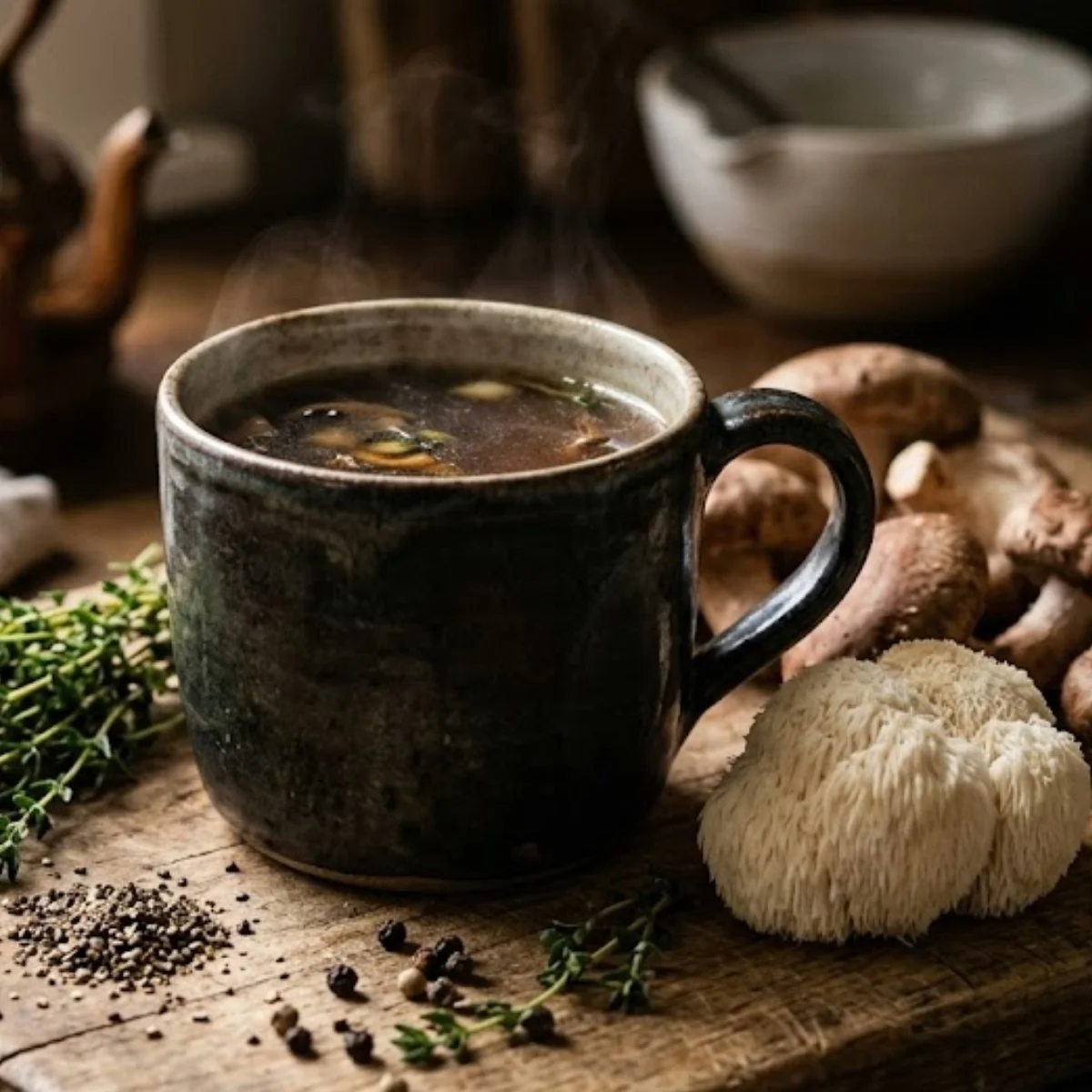
Mushroom Broth Benefits: The Best Bone Broth Substitute for Vegetarians
Mushroom broth is a nutrient-dense, savory liquid created by slowly simmering functional and culinary mushrooms alongside alliums, root vegetables, and umami-rich ingredients like seaweed. As the wellness community increasingly prioritizes gut health and systemic inflammation, traditional meat stocks have taken center stage. However, the plant-based community—including vegetarians, vegans, and biohackers—requires an equally functional alternative.
This article explores the core ingredients, cooking techniques, and scientific benefits of mushroom broth. It also provides a direct, evidence-based nutritional comparison between mushroom broth and bone broth, empowering you to make informed decisions about your dietary wellness.
What is Mushroom Broth?
While a standard vegetable broth relies on carrots, celery, and onions to create a light culinary base, functional mushroom broth is an entirely different entity. It is intentionally formulated to extract specific bioactive compounds from fungi while delivering a profound depth of flavor.
The defining characteristic of mushroom broth is its rich umami profile. Umami, often described as the fifth basic taste, is a deeply satisfying, savory flavor naturally found in meats, fermented foods, and certain mushrooms. Because of this high concentration of glutamates, mushroom broth functionally and culinarily replaces the savory weight of traditional meat stocks, making it an indispensable tool for plant-based cooking.
Core Ingredients for a Nutrient-Dense Mushroom Broth
Creating a high-quality vegetarian broth soup requires strategic ingredient selection. The nutritional value and flavor complexity depend directly on the specific components used in the brew.
The Fungi Foundation
To achieve maximum wellness benefits, a blend of culinary and functional mushrooms is essential:
Shiitake: The backbone of the broth, shiitake mushrooms are rich in natural glutamates for flavor, as well as eritadenine, a compound known for supporting cardiovascular health.
Lion’s Mane: Often included for its neuroprotective properties, this functional mushroom supports cognitive health and nerve growth factor (NGF) production.
Porcini: Used primarily for its intense, earthy depth, bridging the gap between a simple vegetable stock and a robust culinary base.
Reishi: A powerful adaptogen, reishi is utilized to support the immune system and promote stress resilience.
Aromatics and Alliums
Onions, garlic, and ginger are critical for building a flavor base, but they also bring potent anti-inflammatory properties to the pot. Garlic provides allicin, while ginger offers gingerol—both of which support digestive health and immunity.
Umami Boosters
To successfully replicate the satisfying mouthfeel associated with meat broths, the addition of kombu (edible kelp) is highly recommended. Kombu not only amplifies the umami flavor but also introduces essential trace minerals like iodine and magnesium.
Cooking Techniques for Maximum Flavor
Transforming raw ingredients into a healing vegan soup base requires specific techniques. Just as traditional meat stocks require patience, plant-based broths demand precise extraction methods.
Toasting the Aromatics
Dry-roasting or lightly sautéing the mushrooms and aromatics before adding water is a non-negotiable step. This process, known as the Maillard reaction, caramelizes the natural sugars and amino acids, unlocking a complex depth of flavor that raw boiling simply cannot achieve.
Slow Extraction
A slow, low, multi-hour simmer is strictly required to extract water-soluble nutrients without destroying them. Boiling mushrooms too aggressively degrades delicate compounds like beta-glucans. This time-intensive process is highly rewarding but requires significant culinary dedication. Because proper extraction takes hours, many health-conscious consumers find that skipping steps leads to poor flavor and diminished nutritional returns, making a high-quality, expertly crafted pre-made broth the most practical daily solution.
Troubleshooting Common Plant-Based Broth Issues
Crafting vegan broth recipes at home often comes with a learning curve. Here are the most common issues and how to resolve them:
Issue: Bitter Taste. Boiling the broth too vigorously or overusing potent functional mushrooms like reishi can ruin a batch with extreme bitterness. Solution: Maintain a gentle simmer and use adaptogenic mushrooms sparingly.
Issue: Watery Texture. Without the natural gelatin found in animal bones, plant broths can feel thin on the palate. Solution: Incorporating a touch of healthy fat (like olive oil) or using mineral-rich kombu can improve mouthfeel.
Issue: Cloudy Broth. Failing to strain the liquid properly leaves an unpleasant, gritty sediment. Solution: Always pour the finished liquid through a fine-mesh sieve or cheesecloth.
Given the precision required, many people opt to purchase thebest mushroom broth from dedicated experts to bypass these common, expensive homemade frustrations entirely.
Mushroom Broth vs. Bone Broth:
When evaluating a vegetable broth alternative, it is crucial to understand how plant-based options compare to animal-based broths on a macronutrient and micronutrient level.
| Nutritional Attribute | Traditional Bone Broth | Functional Mushroom Broth |
|---|---|---|
| Primary Protein Source | Collagen / Gelatin | Trace Amino Acids |
| Key Gut Health Mechanism | Gelatin coats and soothes gut lining | Prebiotics and beta-glucans nourish microbiome |
| Primary Micronutrients | Calcium, Phosphorus, Magnesium | Zinc, Selenium, B-Vitamins, Potassium |
| Immune Support Compounds | Amino acids (Glutamine, Arginine) | Beta-glucans, Polysaccharides |
| Dietary Suitability | Omnivore, Paleo, Keto, Carnivore | Vegan, Vegetarian, Plant-Based, Keto |
Protein and Amino Acids
The most notable difference lies in the macronutrient profile. Atop rated bone broth provides significantly higher raw protein—often up to 10 to 20 grams per serving. While mushroom broth does not boast high raw protein numbers, a well-crafted batch still delivers a spectrum of essential amino acids that the body requires for cellular repair.
Collagen vs. Collagen Precursors
A frequent question is: Does mushroom broth have collagen? The direct answer is no. Collagen is exclusively an animal protein. However, mushroom broth provides vital collagen precursors. It is naturally rich in zinc, copper, and often paired with vitamin C-rich vegetables. These exact micronutrients are required by the body to synthesize and stimulate its own natural collagen production.
Gut Health Mechanisms
Both liquids are championed for digestive health, but they operate via entirely different mechanisms. Bone broth relies on gelatin to physically soothe and support the integrity of the intestinal lining. Conversely, mushroom broth acts as a prebiotic powerhouse. The complex carbohydrates and beta-glucans in fungi bypass digestion in the upper gastrointestinal tract to directly feed and proliferate healthy, beneficial bacteria in the lower gut microbiome.
Top 4 Health Benefits of Plant-Based Mushroom Broth
1. Immune System Support
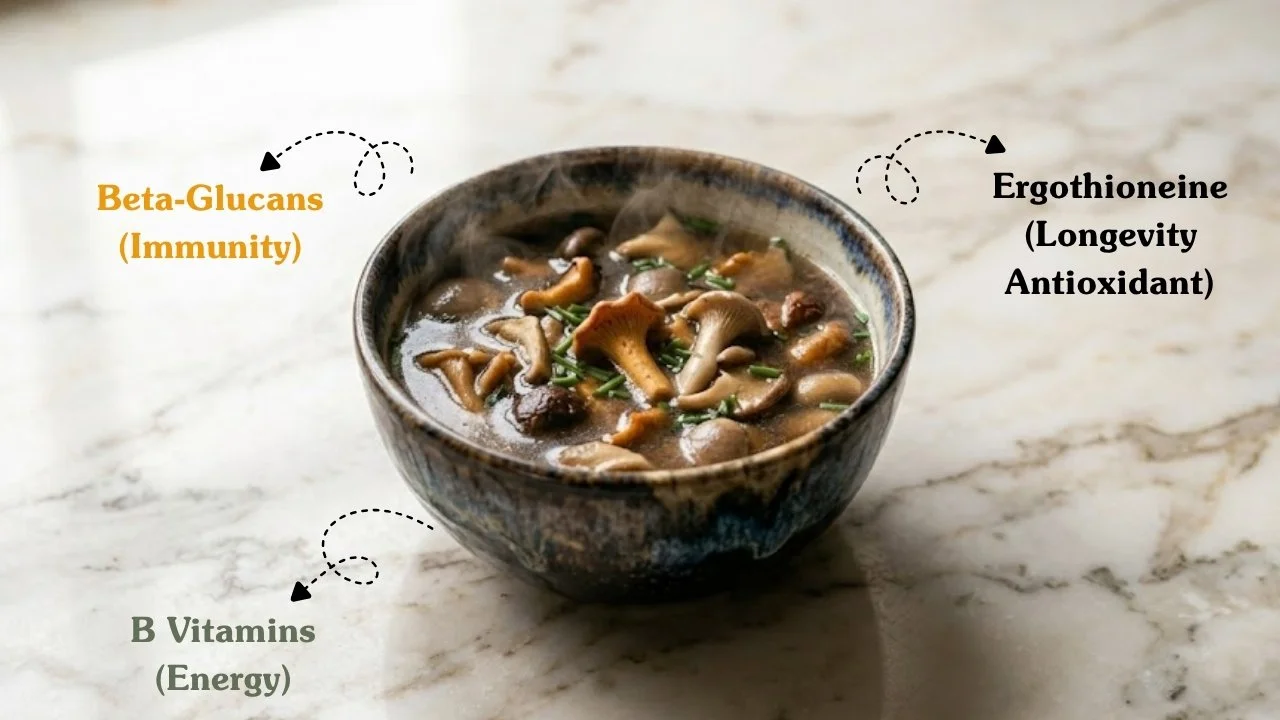
Functional mushrooms are celebrated for their high concentration of beta-glucans and polysaccharides. These complex sugars have been shown in clinical studies to modulate and stimulate the immune system, enhancing the body's natural defense mechanisms against pathogens.
2. Adaptogenic Properties
When ingredients like reishi or cordyceps are included, the broth takes on adaptogenic properties. Adaptogens help the body manage cortisol levels, thereby reducing the physiological impact of mental and physical stress.
3. Rich in Antioxidants
Mushrooms are one of the most potent dietary sources of ergothioneine and glutathione. These powerful antioxidants fight cellular damage by neutralizing free radicals, supporting longevity and healthy aging.
4. Digestive Healing & Prebiotics
Beyond general nutrition, the prebiotic fibers found in mushrooms help regulate bowel movements and reduce gut inflammation, acting as the ultimate foundation for digestive wellness.

Justin Buttrey
“The Clinical Perspective on Plant-Based Broths”
Clinical nutritionists and registered dietitians frequently weigh in on the debate between animal and plant-based functional foods. According to leading dietary experts, the choice between the two should be based on your specific biochemical needs rather than a "one-size-fits-all" approach
"While bone broth remains the gold standard for direct collagen and gelatin intake to repair intestinal permeability, mushroom broth is arguably superior for microbiome diversity," notes the general consensus among functional medicine dietitians. "The polysaccharides in mushrooms serve as specific fuel for Bifidobacteria and Lactobacilli. For patients on a strict plant-based diet, a properly extracted mushroom broth is not just a culinary substitute; it is a critical, therapeutic food that provides necessary immune-modulating compounds that standard vegetable stocks simply lack."
Finding the Best Bone Broth Substitute for Vegetarians

When searching for a bone broth substitute for vegetarians, standard grocery store vegetable broth often falls short. Traditional boxed vegetable broths are usually high in sodium, low in nutrients, and completely devoid of functional benefits. Seaweed stocks provide minerals but lack savory depth, while liquid aminos offer umami but no complex carbohydrates.
Mushroom broth is objectively the most well-rounded, nutrient-dense substitute available. Because it successfully mimics the mouthfeel, savory application, and functional wellness benefits of meat stocks, it is the ideal solution. In fact, many households with mixed dietary preferences choose to buy bone broth online alongside a premium mushroom broth. This ensures inclusive, uncompromising functional nutrition for both meat-eaters and vegans living in the same home.
Incorporating Mushroom Broth Into Your Daily Routine
Mushroom broth is highly versatile. Here are practical, everyday use cases to increase your intake of functional fungi:
As a Daily Tonic: Sip it warm in a mug as a savory, caffeine-free alternative to morning coffee or as an evening wind-down ritual.
Nutrient-Dense Cooking Liquid: Replace water with mushroom broth when cooking quinoa, farro, rice, or lentils to infuse your grains with extra minerals and flavor.
Recipe Upgrades: Use it as the ultimate umami base for traditional ramen, pho, or any hearty vegetable stew.
Conclusion
Mushroom broth stands entirely on its own as a potent, plant-based functional food. While it serves as the ultimate bone broth substitute for vegetarians, its unique profile of antioxidants, adaptogens, and gut-nourishing prebiotics makes it a valuable addition to any diet. Whether you are seeking immune support, digestive healing, or simply a deeply savory culinary base, choose high-quality broths—whether meat-based or plant-based—that perfectly align with your personal dietary and wellness goals.
Frequently Asked Questions
-
Yes. While it does not contain collagen, mushroom broth is an excellent, plant-based substitute that provides its own unique set of functional benefits, including immune-modulating beta-glucans, antioxidants, and prebiotic fibers that support gut health.
-
Mushroom broth is not a high-protein food. It contains trace amounts of protein and provides essential amino acids, but it should not be relied upon as a primary macronutrient protein source in the way meat-based broths are.
-
Absolutely. Mixing a basic vegetable stock with a high-quality bone broth is a great way to stretch the volume of your functional liquids while combining the mineral benefits of vegetables with the collagen density of the bones.
Read more…