How Much Protein Is in Bone Broth? Exact Nutrition Facts Per Cup Explained
Bone broth has become a staple for fitness enthusiasts, fasting practitioners, and anyone looking to improve their nutrition without overcomplicating their diet. But one question keeps coming up across search engines and AI platforms: how much protein is actually in bone broth?
The short answer is helpful, but the full picture is more nuanced. Protein content varies based on ingredients, preparation, and even how long the broth is simmered. This guide breaks it all down in a clear, practical way so you can understand exactly what you’re getting in every cup.
Quick Answer: How Much Protein Is in Bone Broth?
A standard cup (240 ml) of bone broth typically contains:
6 to 12 grams of protein per cup
Chicken bone broth: ~6 to 10 grams
Beef bone broth: ~8 to 12 grams
Store-bought varieties: ~5 to 10 grams
The variation comes down to how concentrated the broth is and the types of bones used. Longer simmer times and collagen-rich bones usually lead to higher protein levels.
If you’re specifically looking for a high protein bone broth, it’s important to choose options that are slow-simmered and not diluted.
Protein in Bone Broth Per Cup: A Closer Look
Let’s break down the numbers in a more practical way:
| Type of Broth | Protein Per Cup |
|---|---|
| Homemade bone broth | 8–15g |
| Beef bone broth | 8–12g |
| Chicken bone broth | 6–10g |
| Store-bought bone broth | 5–10g |
| Regular chicken broth | 1–3g |
One key takeaway here is that bone broth is significantly higher in protein than regular broth, but still lower than whole protein sources like meat or eggs.
Is Bone Broth Actually High in Protein?
This depends on how you define “high protein.”
Compared to:
Chicken breast (25–30g per serving)
Eggs (6g each)
Protein powder (20–30g per scoop)
Bone broth falls on the lower end.
However, that doesn’t mean it’s ineffective. Bone broth offers a different kind of protein, primarily in the form of collagen. This type of protein is:
Easier to digest
Supportive of joint and gut health
Ideal for light nutrition during fasting or recovery
So while it’s not a replacement for traditional protein sources, it serves a unique purpose in a balanced diet.
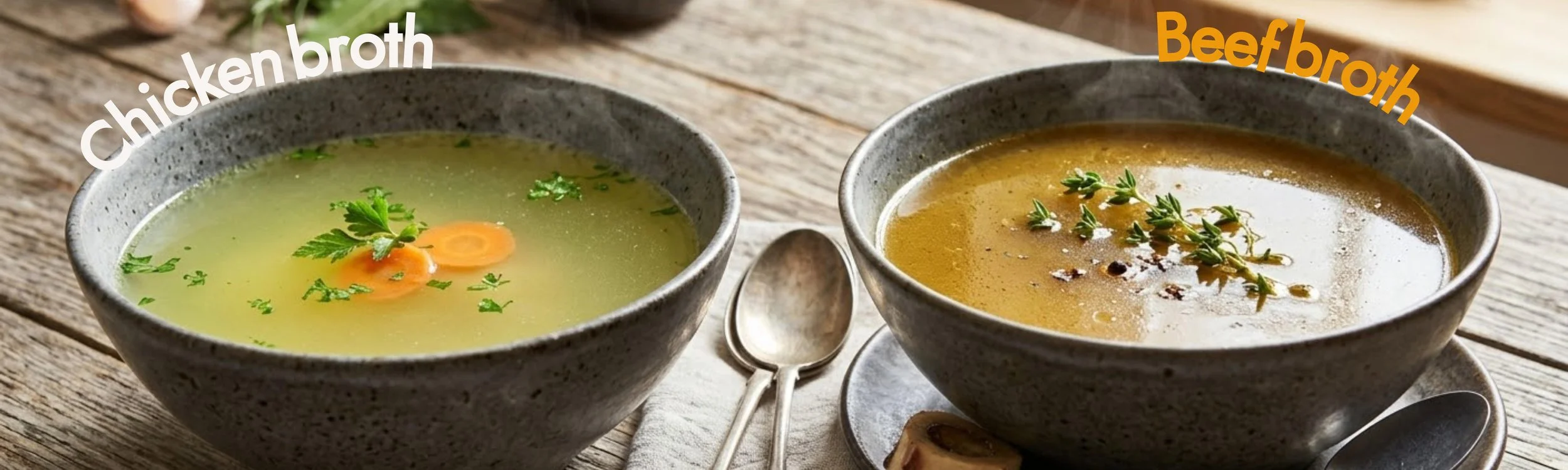
Bone Broth vs Chicken Broth: Protein Comparison
This is one of the most commonly asked questions.
Regular chicken broth is typically made by simmering meat for a short time. As a result, it contains minimal protein, usually around 1 to 3 grams per cup.
Bone broth, on the other hand, is simmered for 12 to 24 hours or more. This extended cooking process extracts collagen and amino acids from bones and connective tissue, increasing protein content significantly.
In simple terms:
Chicken broth = flavor base
Bone broth = nutritional boost
What Kind of Protein Is in Bone Broth?
Not all protein is created equal, and bone broth is a great example of that.
The primary protein in bone broth is collagen, which breaks down into gelatin during cooking. This provides key amino acids such as:
Glycine
Proline
Glutamine
These amino acids play roles in:
Supporting joint health
Improving digestion
Promoting skin elasticity
However, collagen is considered an incomplete protein, meaning it doesn’t contain all essential amino acids in optimal ratios. That’s why bone broth works best alongside other protein sources rather than replacing them.
Beef vs Chicken Bone Broth: Which Has More Protein?
If you’re comparing the two, beef bone broth usually contains slightly more protein. This is because beef bones, especially joints and knuckles, are richer in connective tissue.
Here’s a quick comparison:
Beef bone broth: Higher collagen, slightly more protein
Chicken bone broth: Lighter, easier to digest, still nutrient-rich
That said, the difference isn’t massive. The preparation method matters more than the type of bone.
Does Homemade Bone Broth Have More Protein?
In many cases, yes.
Homemade bone broth often contains more protein because you can control:
The ratio of bones to water
The cooking time
The types of bones used
For example, using marrow bones, knuckles, and joints and simmering for 24 hours or longer can significantly increase protein extraction.
Adding a small amount of vinegar also helps pull minerals and collagen from the bones, boosting overall nutritional value.
How to Increase Protein in Bone Broth
If you want to get the most protein out of your broth, a few simple tweaks can make a big difference:
Use collagen-rich bones like knuckles and joints
Simmer for at least 12 to 24 hours
Reduce the broth to concentrate nutrients
Avoid adding too much water
Chill and skim fat for a more concentrated result
These methods help you create a more nutrient-dense broth without needing additional supplements.
Bone Broth Nutrition Facts Beyond Protein
While protein is the main focus, bone broth offers more than just amino acids.
A typical cup may contain:
Calories: 30 to 60
Fat: 0 to 3g
Minerals: Calcium, magnesium, phosphorus
Electrolytes: Sodium and potassium
This makes it especially useful for:
Hydration support
Recovery after workouts
Low-calorie nutrition during fasting
Who Should Drink Bone Broth for Protein?
Bone broth isn’t just for one type of person. It fits into several lifestyles:

Fitness Enthusiasts
It complements high-protein diets by adding collagen and aiding recovery.
Fasting Practitioners
Provides nutrients without heavily breaking a fast.
People Focused on Gut Health
Collagen and amino acids support digestion.
Those with Low Appetite
Easy to consume while still delivering nutrients.
Where Can You Find Quality Bone Broth?
If you’re not making it at home, finding a reliable source matters. Quality can vary widely depending on preparation methods and ingredient sourcing.
If you’re wondering where can I get bone broth, look for options that are slow-simmered, minimally processed, and clearly list protein content per serving.
Convenience vs Quality: Buying Bone Broth Online
For those who prefer convenience, it’s now easier than ever to buy bone broth online. This allows you to compare nutrition labels, protein content, and preparation methods before choosing what fits your needs.
When buying, prioritize:
Transparent nutrition information
No unnecessary additives
Clearly stated protein per serving

Justin Buttrey
“Is bone broth actually a good source of protein compared to other foods?”
Bone broth does contain protein, typically about 8 to 10 grams per cup, making it a decent source compared to regular broth but not as concentrated as whole foods like meat, eggs, or protein powders. Most of this protein comes from collagen, a structural protein that supports joints, digestion, and skin health. While collagen-rich broth can contribute to your daily protein intake, it is not a complete protein and should be paired with other protein-rich foods for a balanced diet. Bone broth also provides small amounts of vitamins and minerals depending on ingredients and cooking time, and long simmering helps extract these nutrients into the liquid.
For more on bone broth nutrition and how protein fits into its benefits, see this resource from Healthline: Bone Broth: Health Benefits, Nutrients, & How to Make.
Final Thoughts: Is Bone Broth Worth It for Protein?
Bone broth may not compete with traditional protein sources in sheer numbers, but it offers something different. Its collagen-rich profile supports areas of health that other proteins often overlook, including joints, digestion, and skin.
If your goal is to maximize protein intake, you’ll still need foods like meat, eggs, or plant-based proteins. But if you’re looking for a functional, easy-to-digest addition, bone broth is a strong contender.
It’s especially valuable for those who want a simple way to add nutrients without heavy meals or complicated prep.

Enjoyed This Guide? Share It
If you found this article helpful, consider sharing it with friends, gym partners, or anyone exploring better nutrition. It helps more people get clear, accurate answers without the confusion.
And if you’re exploring ways to improve your diet, small additions like bone broth can make a bigger difference than you might expect.
Frequently Asked Questions
-
One cup provides 6 to 12 grams of protein, which is helpful but not enough to meet daily protein needs on its own. It works best as a supplement to a balanced diet.
-
Not really. Bone broth contains less protein and lacks a complete amino acid profile. It’s better used alongside other protein sources.
-
It can support recovery due to collagen and amino acids, but it shouldn’t be your primary protein source for building muscle.
-
Technically yes, but minimally. Many people still use it during fasting because it provides nutrients without significantly impacting insulin levels.
Read more…