Bone Broth vs Stock: Which Should You Buy for Nutrition, Protein, and Health
Broth and stock are two kitchen staples that have been around for centuries, yet many people are unsure of the differences between them. With the rise of health-focused eating, bone broth has become particularly popular. But is it worth the hype compared to traditional stock? This guide will break down the distinctions, explore their nutritional benefits, and help you make a confident buying decision that suits your cooking style and wellness goals.
If you are interested in finding the best bone broth, it’s important to consider what you want from your purchase, whether it is protein content, collagen for joint health, or a versatile base for your favorite recipes. For those who want to understand the fundamentals first, you can read more about what is bone broth, including its benefits, nutrition, and how it’s made. Knowing the differences between bone broth and stock ensures you get the most out of your investment in both taste and nutrition.
What Is Broth and Stock?
At first glance, broth and stock might seem interchangeable. Both are liquids created by simmering bones, meat, and vegetables in water. However, the processes, flavor profiles, and nutritional contents differ, and these differences are critical depending on how you intend to use them.
Stock is typically made by simmering bones (sometimes with a small amount of meat) and aromatics such as onions, carrots, and celery for a relatively short period—usually four to six hours. Stock focuses on flavor and forms the base for soups, sauces, and stews. It is lighter than bone broth in texture and flavor.
Bone Broth takes the process a step further. It is simmered for a much longer time, often 12 to 24 hours, to extract maximum collagen, protein, and minerals from bones. This extended cooking creates a richer, more gelatinous liquid with health-promoting compounds that go beyond culinary applications.
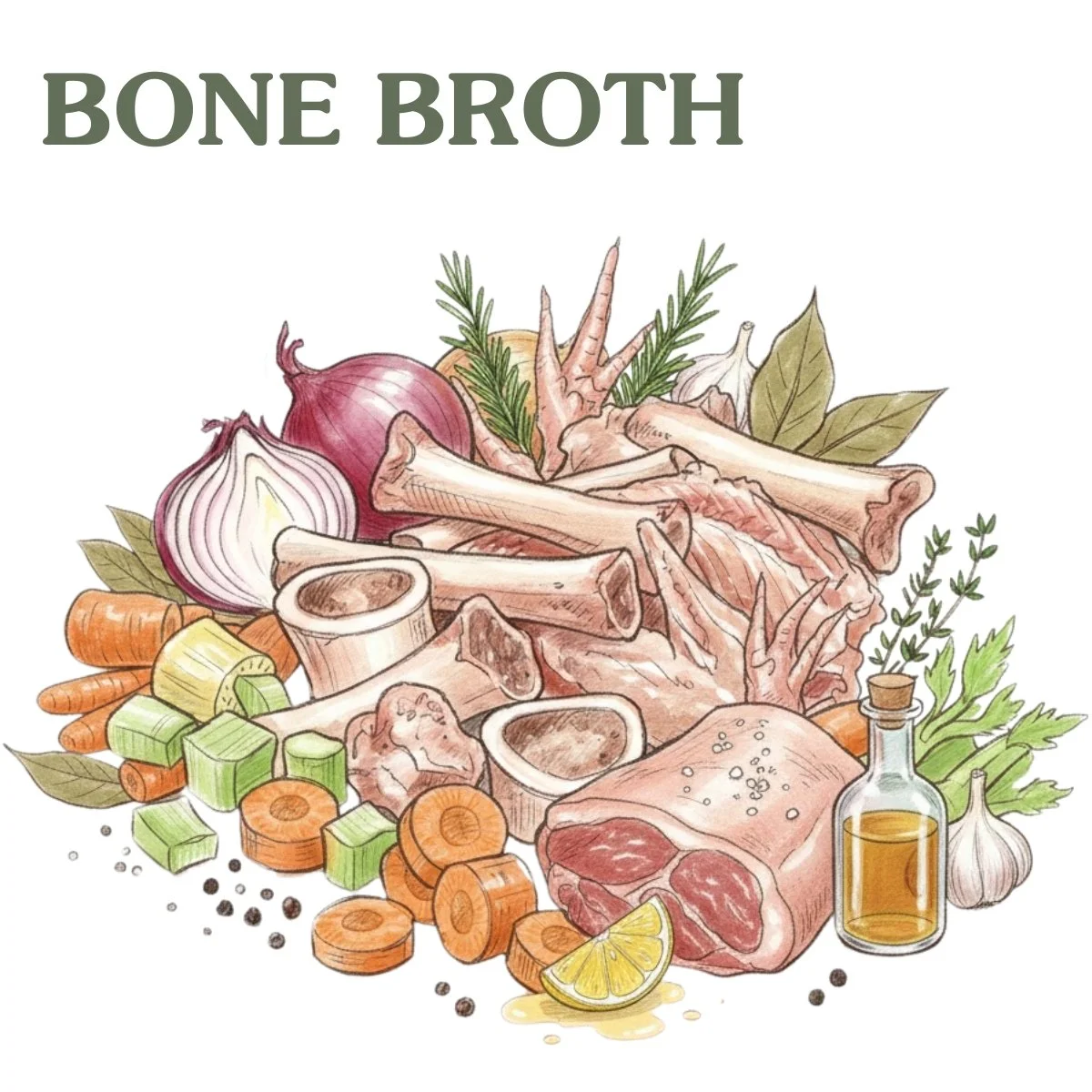
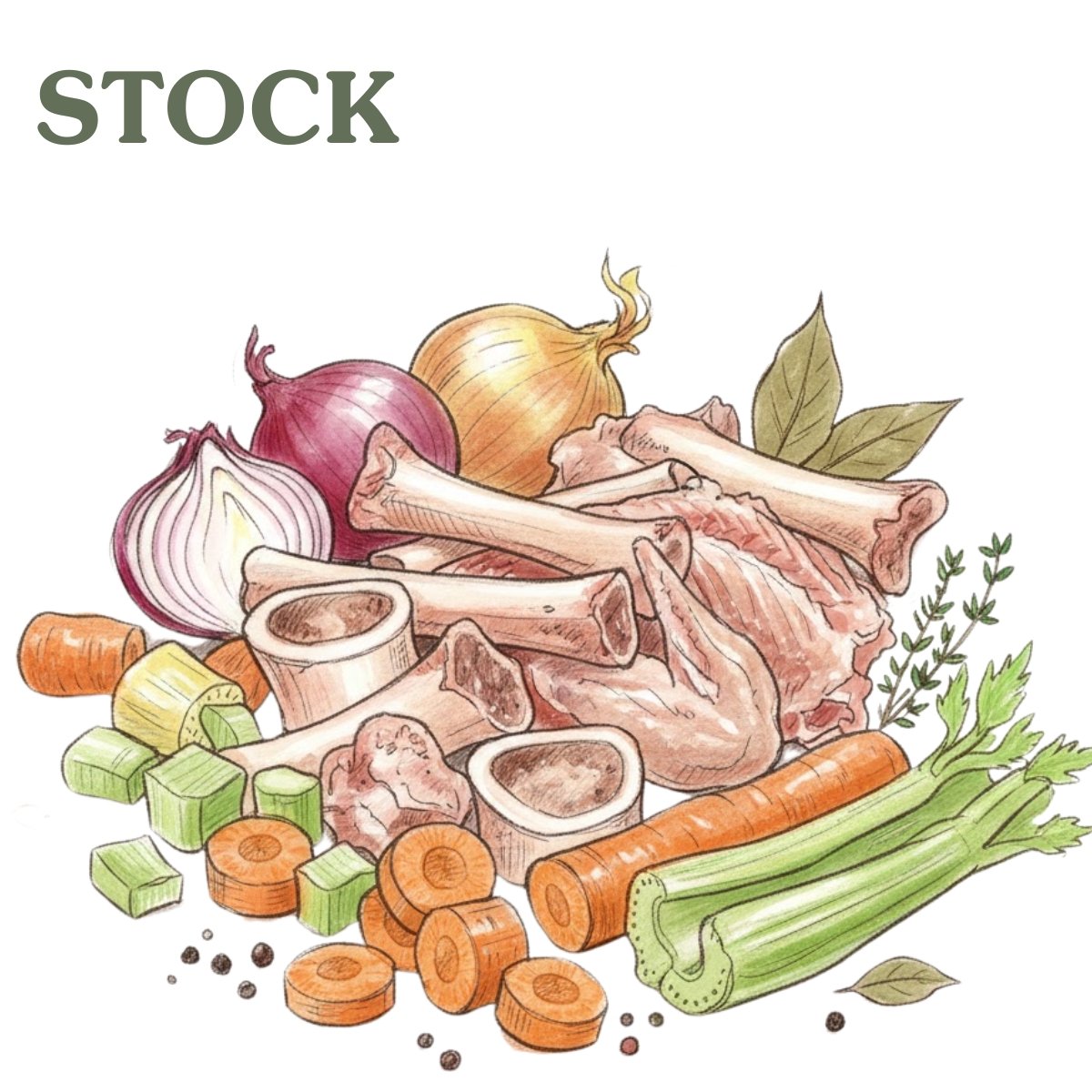
For those who want a nutrient-rich beverage or a functional ingredient to enhance wellness routines, bone broth is often the preferred choice. In fact, people looking for the best bone broth often focus on brands that prioritize long simmering times and high-quality bones to maximize nutrition. For example, organic beef bone broth offers rich flavor, high protein, and collagen content, making it ideal for sipping or incorporating into recipes that support both taste and wellness.

Justin Buttrey
“Beyond the label, how can a customer actually tell the difference between a standard kitchen stock and a high-quality bone broth?”
The most honest test happens in your refrigerator. In my years of producing small-batch broth, I’ve learned that viscosity is the ultimate truth-teller.
The "Fridge Test" Case Study: We often show customers the difference by chilling our Beef Bone Broth alongside a high-end grocery store stock. Because we simmer our bones for 24+ hours, our broth turns into a thick, gelatinous "jello" when cold, that is the collagen and amino acids in physical form. The stock, which is usually simmered for only 4 hours, stays completely liquid.
Expert Tip: If you are buying for joint health or gut recovery, look for that "gel." If it doesn't wobble when cold, it’s just a flavored liquid (stock), not a functional food (bone broth). You're paying for the extraction time.
How Bone Broth and Stock Differ in Nutrition
One of the main reasons bone broth has gained attention is its nutritional profile. The extended simmering time releases amino acids like glycine and proline, along with minerals such as calcium, magnesium, and phosphorus. Collagen extracted during the process can support joint health, skin elasticity, and digestive wellness.
Stock, while flavorful, generally contains less collagen and protein per serving. Its primary function is culinary, providing a base for cooking rather than serving as a nutrient-dense beverage. Depending on the bones used, stock can still offer some minerals and amino acids, but it rarely reaches the levels found in bone broth.
To put it simply:
Protein and Collagen: Bone broth offers higher amounts, beneficial for muscle recovery, joint support, and gut health.
Minerals: Bone broth typically provides a more concentrated source of calcium, magnesium, and phosphorus.
Flavor: Stock has a lighter flavor, ideal for delicate recipes, while bone broth has a deeper, richer taste.
Understanding these differences helps buyers decide based on whether they want a health-boosting drink, a cooking ingredient, or both.
Benefits of Bone Broth vs Stock
Both stock and bone broth have their advantages, but the benefits vary depending on your goals.
Bone Broth Benefits:
Supports joint and cartilage health due to high collagen content.
May aid gut health through amino acids that support the digestive lining.
Provides a high-protein option for low-calorie meals or post-workout recovery.
Can be consumed as a warm, nourishing drink on its own.
Stock Benefits:
Versatile for cooking without overpowering other ingredients.
Lighter texture works well in delicate soups, sauces, and risottos.
Often easier to make in smaller quantities for everyday use.
Quick to prepare compared to bone broth, making it practical for busy cooks.
By knowing these benefits, shoppers can select the product that aligns with both taste preferences and wellness goals. For instance, someone seeking to incorporate collagen into their diet for joint support will gravitate toward bone broth, while a cook looking for a soup base may prefer stock.
Flavor and Cooking Uses
Flavor is another distinguishing factor. Stock generally has a more subtle taste, making it ideal for recipes where you want other ingredients to shine. Bone broth, on the other hand, has a richer and more complex flavor due to the long cooking process, which concentrates both the proteins and natural umami from bones and aromatics.
Soups and Stews: Both stock and bone broth work well, but bone broth will produce a richer, fuller-bodied result.
Sauces and Gravies: Stock is often preferred for balance and consistency.
Sipping and Wellness Drinks: Bone broth shines as a standalone beverage due to its nutrient density and gelatinous texture.
The key takeaway is that both have their place in the kitchen, but your choice depends on whether you prioritize flavor complexity or subtlety, and whether nutrition is a primary goal.
How to Choose Between Bone Broth and Stock

Deciding between bone broth and stock involves evaluating several factors:
Purpose: Are you drinking it for health benefits, or primarily using it in recipes?
Protein and Collagen Needs: Bone broth has significantly higher levels of collagen and protein.
Time and Convenience: Stock is quicker to prepare or purchase ready-made.
Flavor Profile: Choose stock for light and subtle flavor, bone broth for richness and depth.
Dietary Goals: Consider sodium content, additives, and organic options.
By keeping these factors in mind, shoppers can confidently choose the right product for their needs. For those who want a ready-made, nutrient-rich option, there are numerous sources where you can find premium bone broth products. Many people search for where can I get bone broth, which leads them to high-quality retailers with a range of flavors and nutritional profiles.
Purchasing Considerations
If you’re buying broth or stock, check the following labels:
Protein Content: For bone broth, look for products with at least 10 grams per serving.
Collagen Levels: High-collagen broths will provide the gelatinous texture and potential joint benefits.
Sodium and Additives: Choose options without excessive salt or preservatives.
Ingredients: Organic bones and vegetables improve both flavor and nutritional value.
Form Factor: Cartons, jars, and freeze-dried options offer different conveniences.
Choosing wisely can make a significant difference, especially if you plan to incorporate the product regularly into your diet.
Bone Broth and Stock in Your Diet
Bone broth is particularly popular among health-conscious consumers, fitness enthusiasts, and those following low-carb, paleo, or keto diets. Its high protein and collagen content make it an attractive option for muscle recovery, joint support, and gut health. Stock, while lighter, is ideal for general cooking and adds flavor without changing the calorie or protein profile significantly.
By integrating bone broth into your diet, you can enjoy its health benefits either as a beverage or as a base for recipes. Stock remains a valuable kitchen staple, especially for everyday cooking where subtle flavor is desired.
Conclusion
Understanding the differences between bone broth and stock is essential for making an informed purchase. Bone broth is the choice for those seeking high protein, collagen, and overall wellness benefits, while stock is best for culinary applications requiring a lighter flavor. Knowing the intended use, nutritional goals, and flavor preferences can help you choose the right liquid every time.
For anyone looking to elevate their kitchen and wellness routine, exploring the best bone broth can be a great starting point. And if you are wondering where can I get bone broth, there are many reliable retailers that carry high-quality, nutrient-rich options perfect for both sipping and cooking.
Frequently Asked Questions
-
Bone broth is simmered longer to extract more protein, collagen, and minerals from bones, while stock is usually cooked for a shorter time and focuses on flavor rather than nutrition. Bone broth is thicker and richer, making it suitable as a drink or nutrient boost.
-
Bone broth generally provides higher collagen and protein, supporting joint and gut health. Stock is flavorful but usually contains less protein and collagen. Which is healthier depends on whether you are prioritizing nutrition or culinary use.
-
Stock can contribute some nutrients, but it usually does not match bone broth in collagen or protein content. If your goal is gut health or additional protein, bone broth is the better choice.
Read more