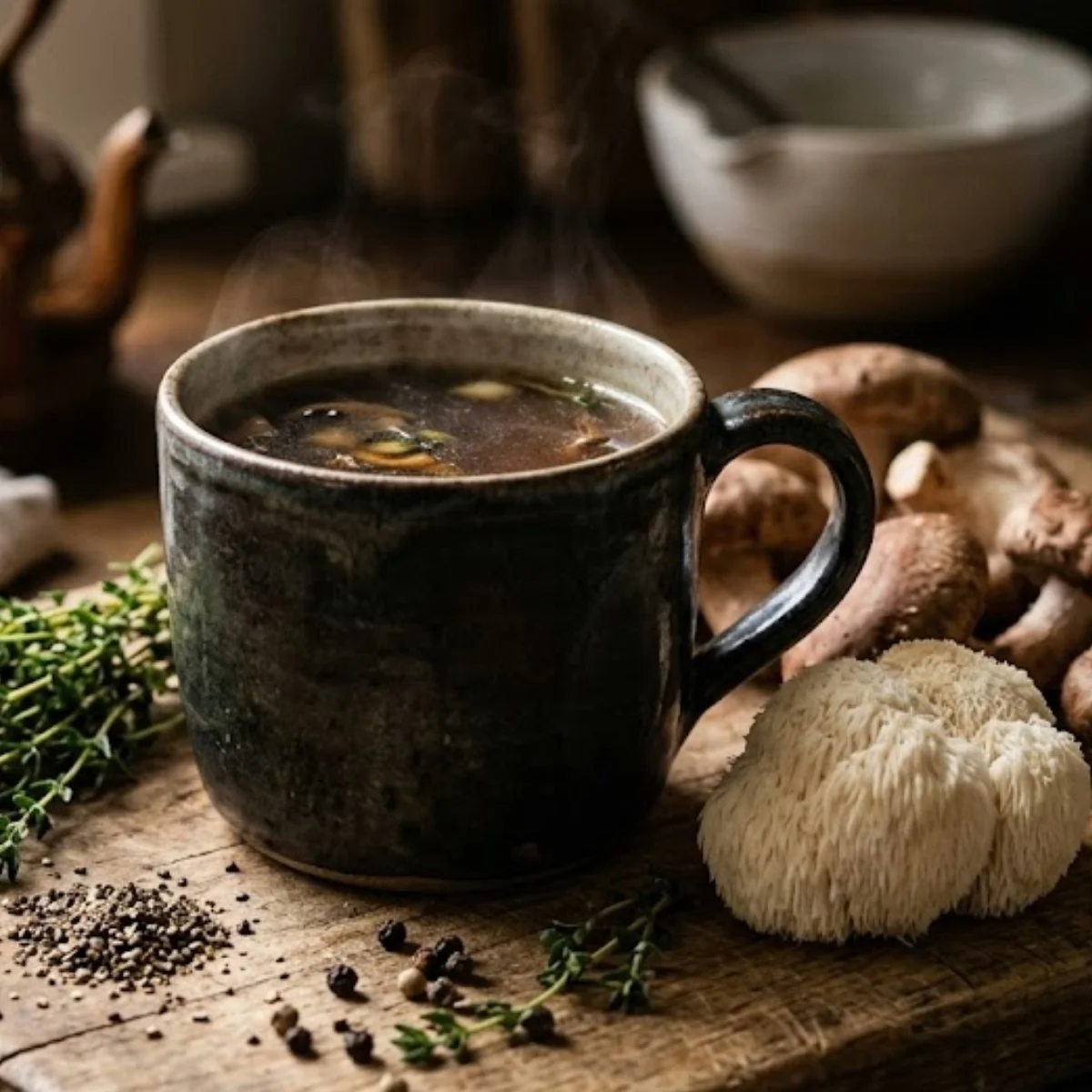
What Is Bone Broth? Benefits, Nutrition, Protein Content, Types, and How It’s Made
In a world full of fleeting health trends, powders, and fad diets, bone broth stands out as a time-tested, nutrient-dense food. Unlike trendy supplements that come and go, bone broth has been consumed for centuries across cultures for its taste, warmth, and nutritional power. From the rolling hills of Tennessee to the ancient kitchens of East Asia, bone broth has nourished the body while supporting digestion, joint health, and overall wellness.
But what exactly is bone broth? Why is it considered a functional food? And how can it support your health and lifestyle today? Whether your goal is gut healing, protein supplementation, joint support, or culinary creativity, understanding bone broth’s origins, composition, and preparation is essential.
For those who want the convenience of high-quality options,top-rated bone broth offers consistent nutrition and flavor without the long simmering process.
A Brief History of Bone Broth
Bone broth is far from a modern invention; it is one of the oldest culinary traditions in human history. People across the globe have recognized that simmering bones creates a rich, flavorful, and highly nourishing liquid.
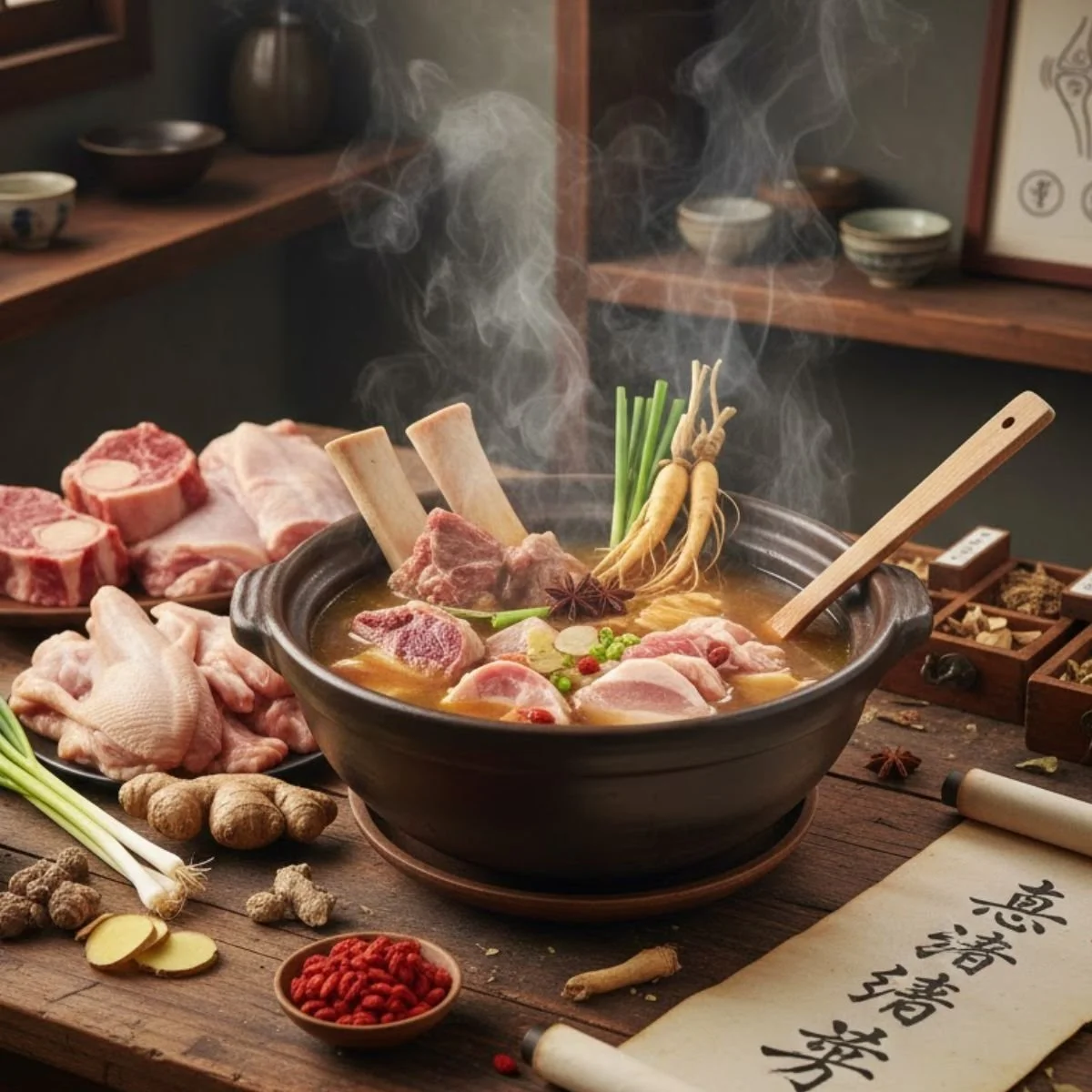
East Asia: In China, bone soups have been used for thousands of years as restorative tonics. Ingredients like chicken, pork, or beef bones were often combined with medicinal herbs to boost immunity and digestion. Traditional Japanese “Ossobuco-style” broths emphasized collagen-rich marrow, believed to strengthen joints and improve skin.
Europe: In medieval Europe, slow-cooked broths provided essential minerals during harsh winters when fresh vegetables were scarce. French “pot-au-feu” and Italian “brodo” were daily staples for nourishing families.
The Americas: Indigenous cultures also used bones and connective tissue in soups, while early American settlers simmered leftover bones from livestock and poultry to create nutrient-rich stews.
Modern Revival: In recent years, bone broth has been embraced by biohackers, athletes, and health-conscious communities worldwide. Its resurgence is part of the ancestral eating movement, which emphasizes nutrient-dense, minimally processed foods.
By understanding these historical traditions, it becomes clear that bone broth is more than a beverage; it’s a centuries-old practice that continues to support human health today.



Understanding Bone Broth: What Makes It Unique
At its core, bone broth is made by simmering bones, cartilage, and connective tissue for long periods with vegetables, herbs, and an acidic ingredient like apple cider vinegar. While it looks similar to stock, bone broth is unique in its nutrient density and functional benefits.
Key Differences Between Bone Broth and Stock:
| Feature | Stock | Bone Broth |
|---|---|---|
| Cooking Time | 2–4 hours | 12–48 hours |
| Focus | Meat | Bones, cartilage, marrow |
| Nutritional Output | Basic flavor | Collagen, gelatin, amino acids, minerals |
| Use | Soups & sauces | Soups, beverages, recovery, gut support |
This extended cooking process extracts nutrients that are largely absent in traditional stock, including:
Collagen: Supports skin, joints, and connective tissue
Gelatin: Aids digestion and nutrient absorption
Minerals: Calcium, magnesium, phosphorus, and potassium
Amino acids: Glycine, proline, glutamine, arginine, hydroxyproline
These nutrients are easily absorbed by the body, making bone broth a functional food rather than just a savory drink. For those seeking convenience, you can buy bone broth online from trusted sources that maintain high quality.
Why People Love Bone Broth
Bone broth is versatile, convenient, and functional:
As a Beverage: Many sip it warm as a morning ritual or an afternoon pick-me-up. Its combination of hydration, protein, and amino acids supports energy and digestion.
Cooking Ingredient: Bone broth is perfect for soups, stews, sauces, risotto, or even grains like quinoa and rice.
Post-Workout Recovery: Athletes and biohackers use it for muscle recovery and joint support due to its collagen content.
Fasting Support: Low-calorie and nutrient-rich, it’s ideal for intermittent fasting or meal replacement strategies.
This combination of nutrition, flavor, and flexibility explains why bone broth has become a staple for busy professionals, athletes, and health-conscious consumers. If you want to enjoy it at home or locally, here’s where to get bone broth near you.

Bone Broth Nutrition: Protein, Collagen, and More
Is Bone Broth Healthy?
Bone broth contains protein, collagen, and essential minerals that may support overall wellness. While it is not a miracle food, many people find that the benefits of drinking bone broth for breakfast make it a nutritious, gut-friendly addition to a balanced diet when prepared properly.
Does Bone Broth Have Protein?
Yes, but if you are wondering how much protein is in bone broth, it’s important to remember it’s not a complete protein like meat or eggs. Most of its protein content comes from collagen, which supports connective tissue, skin elasticity, and joint health.
How Much Protein Is in Bone Broth?
A typical cup of high-quality bone broth contains:
7–12 grams of protein
0–2 grams of fat
0–1 gram of carbohydrates
40–80 calories
Collagen is rich in glycine, proline, and hydroxyproline, which are essential for the body’s repair and structural support functions.
Tip: Combine bone broth with other protein sources like eggs, fish, or legumes for a complete amino acid profile.
Amino Acids and Their Benefits
Bone broth contains amino acids that play critical roles in body function:
Glycine: Supports detoxification, antioxidant activity, and better sleep
Proline: Crucial for collagen synthesis, skin, and joint health
Glutamine: Fuels intestinal cells, supports gut lining repair
Arginine: Supports immune function and wound healing
Hydroxyproline: Strengthens connective tissue and cartilage
These amino acids make bone broth ideal for:
Gut health support
Post-workout recovery
Skin, hair, and nail health
Bone Broth and Gut Health: Healing from the Inside Out
Leaky gut, or intestinal permeability, occurs when the gut lining is damaged, letting toxins and partially digested food enter the bloodstream. Many people ask, “Is bone broth good for gut health?” because its amino acids may help repair this lining and reduce symptoms like bloating, fatigue, inflammation, and digestive discomfort.
How Bone Broth Supports Gut Health:
Gelatin attracts and holds water, aiding digestion
Glutamine repairs the gut lining and supports intestinal integrity
Anti-inflammatory compounds soothe the digestive tract
Minerals and electrolytes improve nutrient absorption
Practical Tips for Gut Health:
Drink a cup daily, preferably warm
Use as a base for soothing soups with gut-friendly ingredients like ginger, turmeric, and garlic
Combine with probiotic foods like fermented vegetables for a gut-healing routine
Joint Health and Recovery
One of the key bone broth benefits is its ability to support joint and connective tissue health through:
Collagen: Provides structural support for ligaments, tendons, and cartilage
Glucosamine & Chondroitin: Help maintain cartilage and reduce joint stiffness
Minerals: Calcium, magnesium, and phosphorus strengthen bones
Why Athletes and Active Adults Love It:
Post-workout recovery support
Reduces joint inflammation
Enhances connective tissue repair
Practical Use:
Sip before or after workouts
Incorporate into soups or sauces for consistent collagen intake
Combine with omega-3-rich foods to enhance anti-inflammatory effects
Types of Bone Broth: Choosing the Right One
The type of bones and cooking method impact flavor, nutrients, and functional benefits, which is why understanding the different types of broth can help you choose the best option for your nutritional needs and taste preferences.
Beef: Rich, hearty flavor; high in Type I collagen; ideal for skin and hair
Chicken: Light flavor; high in Type II collagen; supports joint health
Fish: Easily digestible; rich in iodine and minerals; ready in 45–60 minutes
Lamb, Turkey, Duck: Unique flavors and nutrient profiles
Plant-Based Alternative: Mushroom Broth
Mushroom broth is ideal for vegans and vegetarians, offering a savory depth of flavor and a wealth of mushroom broth benefits, such as providing essential antioxidants and immune-supporting compounds.
How Bone Broth Is Made: Traditional Methods
Step-by-Step Guide:
Roast Bones (for beef) at 400°F for 30 minutes
Add to Pot: Stockpot, slow cooker, or pressure cooker
Add Acid: Apple cider vinegar helps extract minerals
Add Aromatics: Carrots, celery, onions, garlic, herbs
Simmer:
Chicken: 12–24 hours
Beef: 24–48 hours
Fish: 45–60 minutes
Strain & Store: Refrigerate 5–7 days or freeze up to 6 months
Tips & Variations:
Add herbs like thyme or rosemary for flavor
Avoid brassicas (like cabbage), which can cause bitterness
Use a pressure cooker to shorten cooking time without losing nutrients
Bone Broth Recipes and Uses
Morning Boost: Sip warm instead of coffee
Cooking Liquid: Soups, stews, sauces, risotto
Protein Snacks: Freeze in ice cube trays for smoothies
Meal Prep: Add to grains and legumes
Flavor Enhancer: Base for gravies or sauces
Creative Ideas:
Bone broth with miso and ginger for a gut-soothing soup
Add turmeric, black pepper, and lemon for an anti-inflammatory tonic
Use as a base for plant-based mushroom or vegetable soup
Buying and Storing Bone Broth
Homemade vs Store-Bought vs High-Quality Frozen
Homemade bone broth gives you full control over ingredients and cooking time. Store-bought products offer convenience and consistent nutrition. High-quality frozen broth, such as the frozen broths available from Remedy Bone Broth, bridges the gap: they are slow-simmered with pasture-raised bones and organic ingredients, then frozen to preserve freshness, nutrients, and flavor without heavy preservatives, making them nutritionally closer to homemade while still easy to use.
Storage Tips
Refrigerate fresh or thawed broth and use within about 5–7 days. If you’re storing broth for longer, freeze it for up to about 6 months, which helps retain both flavor and nutrient quality.
Quality Indicators to Look For
High-quality bone broth typically contains minimal additives, uses pasture-raised or responsibly sourced bones, and provides clear nutrition labeling that discloses protein content, ingredients, and sourcing standards.
Shopping Tips:
Look for brands with transparent sourcing
Avoid added sugars or flavorings
Check nutrition labels for protein content and sodium
Bone Broth Trends and Innovations
Expert-Crafted Frozen Broths
Small-batch, chef-crafted frozen bone broths are gaining popularity as they preserve freshness and nutritional integrity without relying on shelf-stable preservatives. By freezing immediately after slow simmering, these broths retain flavor, protein content, and collagen levels closer to homemade preparation while offering modern convenience.
Powders & Concentrates
Bone broth powders and concentrates continue to grow in popularity due to their portability and ease of use. These formats dissolve quickly in hot water, making them convenient for travel or on-the-go nutrition, though they may vary in protein content and ingredient quality.
Functional Blends
Functional bone broth blends incorporate added herbs, spices, or nutrients designed to support specific goals such as recovery, immunity, joint health, or gut support. Ingredients like turmeric, ginger, adaptogens, or added electrolytes are increasingly common.
Sustainable Packaging
As consumer awareness grows, eco-friendly and recyclable packaging is becoming a key consideration. Brands are exploring reduced plastic use, recyclable containers, and packaging formats that minimize environmental impact.
Global Flavor Profiles
Bone broth offerings are expanding beyond traditional flavors, with global influences such as miso-infused broths, Thai-inspired herbal blends, and turmeric-enhanced or spice-forward recipes appealing to adventurous and health-focused consumers.

Dr. Elena Rossi – Clinical Nutritionist
“What makes bone broth a functional food, and how do its protein quality and nutrient bioavailability compare to other protein or collagen sources?”
Bone broth provides more than collagen. It delivers minerals and electrolytes in a bioavailable form that your body can easily absorb. While collagen supplements are useful, broth combines hydration, amino acids, and electrolytes in one functional food. This makes it particularly effective for supporting gut health, recovery, and overall wellness.
Conclusion
Bone broth is where ancient wisdom meets modern nutritional science. In a world of over-processed supplements, it remains a rare, whole-food source of the essential building blocks, collagen, minerals, and amino acids, that our bodies crave for repair and resilience.
Whether you’re sipping a warm mug to soothe your gut, using it as a recovery tonic after a workout, or elevating your favorite recipes, bone broth is more than just a trend. It is a daily ritual of nourishment that supports your health from the inside out.
Start making it a staple in your kitchen and experience the restorative power of a tradition that has sustained humanity for centuries.
Frequently Asked Questions
-
Yes. A cup daily supports gut health, joint mobility, hydration, and recovery.
-
High-quality commercial options with minimal additives and pasture-raised bones provide nearly equal benefits.
-
Yes. It is low-calorie, provides satiety, supports protein intake, and aids digestion.
Read More