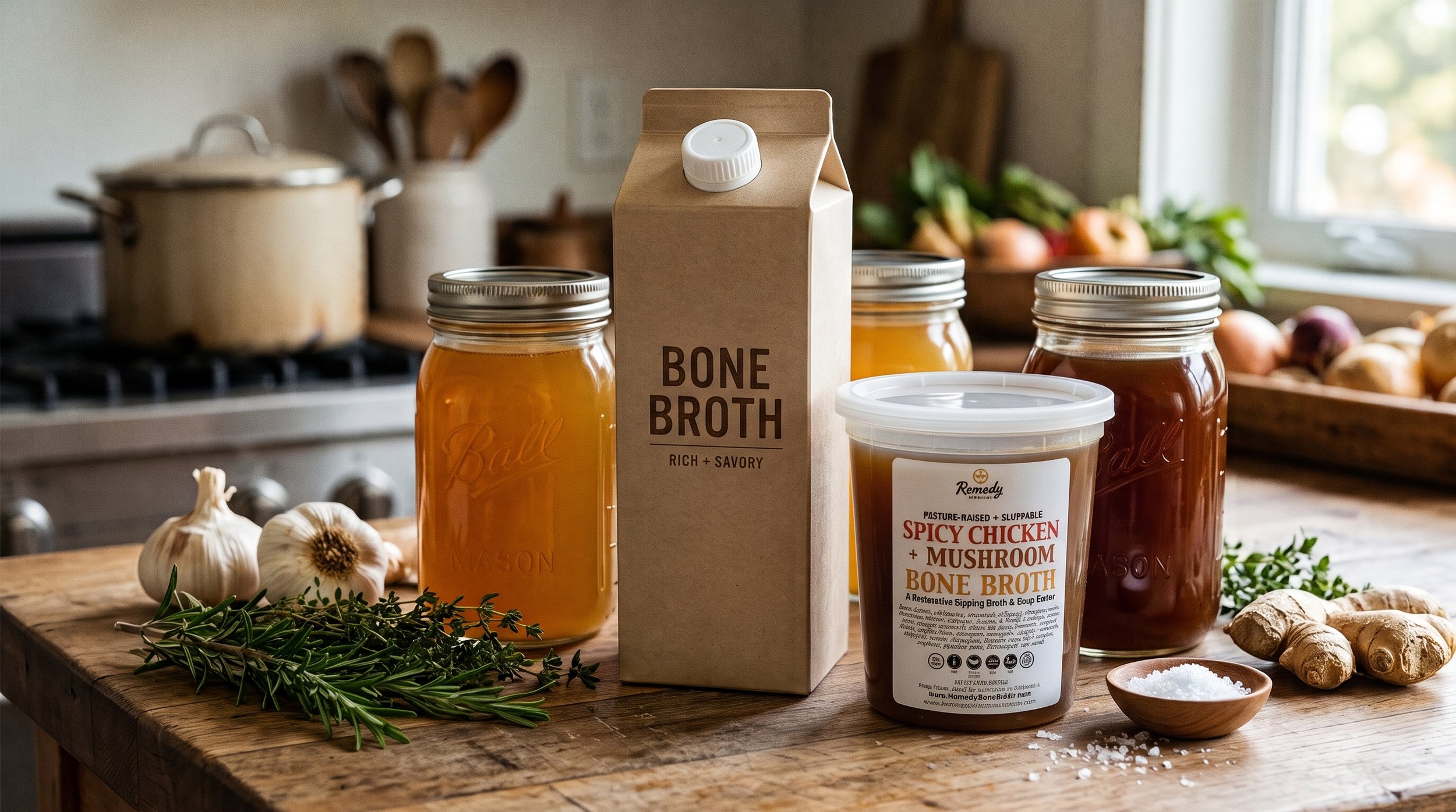
Walking down the soup aisle of almost any grocery store today can feel overwhelming. Shelves are packed from floor to ceiling with cartons, glass jars, and freezer pouches, all displaying comforting promises like "slow-simmered," "grass-fed," "collagen-rich," and "gut-healing."
Unfortunately, flipping those packages around to read the Nutrition Facts panel often tells a very different story. While the front of a carton might say "Bone Broth," the ingredient list frequently reveals glorified, salted cooking stock delivering just 1 to 5 grams of protein per cup. Many mainstream options are bulked up with yeast extracts, mystery "natural flavors," and up to 960 milligrams of sodium to mask a watered-down, rushed cooking process.
When you buy bone broth to soothe a sensitive stomach, ease stiff joints, stay hydrated during pregnancy, or simply enjoy a warm, protein-rich mug in the morning, diluted stock won't deliver the results you are hoping for. Knowing how to spot the real thing makes all the difference.
Featured Dietitian Summary
The healthiest bone broth to buy is a small-batch, frozen or refrigerated broth slow-simmered for 18 to 24+ hours from 100% grass-fed or pasture-raised bones and organic produce in purified water. Look for 12 to 20 grams of proteinand under 300 mg of sodium per cup, zero gums or "natural flavors," and a natural gel when chilled.
Universal Buyer’s Benchmark Table
Before diving into the details, use this quick-reference table to score any bone broth label at a glance, whether you are shopping at a local co-op or a major supermarket:
| Nutrition & Label Metric | Gold Standard (Craft Frozen / Refrigerated) | Good (Premium Shelf-Stable) | Skip (Conventional Broth / Stock) |
|---|---|---|---|
| Protein per 8 oz Cup | 15g – 20g | 9g – 12g | 1g – 6g |
| Sodium per 8 oz Cup | Under 250 mg (200–250 mg) | 250 mg – 400 mg | 450 mg – 960 mg |
| Simmer Time & Acid | 18 – 24+ hours with apple cider vinegar | 8 – 12 hours | 1 – 4 hours (or concentrate) |
| Animal Sourcing | 100% Grass-Fed/Finished or Pasture-Raised | Certified Organic / Free-Range | Conventional feedlot animals |
| Chilled Fridge Texture | Thick, jiggly gel (intact gelatin) | Lightly thickened or liquid | Completely watery |
| Additives & Water | Filtered water, organic herbs, sea salt | Minimal gums or natural flavors | Yeast extract, sugars, gums, tap water |
The Dietitian’s 7-Point Checklist for Buying Healthy Bone Broth
Evaluating bone broth does not require a nutrition degree. By checking seven straightforward clues on the label, you can immediately tell whether a broth is worth bringing into your kitchen.
1. Protein & Natural Collagen Density (The 12g–20g Benchmark)
Protein is the clearest clue to how a bone broth was made. Authentic bone broth is rich in natural gelatin, which forms when tough triple-helix collagen from bones, tendons, and joints slowly melts into the simmering water. If a carton lists only 3, 5, or 8 grams of protein per cup, the manufacturer either used too much water and not enough bones, or boiled the batch for just a few hours to keep factory production lines moving fast.
A full 24-hour simmer extracts 15 to 20 grams of whole-food protein and 7 to 10 grams of natural collagen per 8 oz serving. According to research summarized by the Harvard T.H. Chan School of Public Health on the amino acids required for natural collagen synthesis, your body relies on specific protein building blocks to maintain skin elasticity, joint cartilage, and connective tissue strength including three conditional amino acids that modern muscle-meat-heavy diets often lack:
Glycine: Acts as a calming inhibitory neurotransmitter that supports deeper sleep, aids Phase II liver detoxification, and serves as a key precursor for glutathione, the body’s master antioxidant.
Proline & Hydroxyproline: Signal cells in your skin, tendons, ligaments, and joint cartilage to synthesize fresh endogenous collagen.
Glutamine: Serves as the primary fuel source for enterocytes (the cells lining your small intestine), helping support intestinal barrier integrity.
When reading the ingredient panel, verify that protein comes naturally from simmered bones rather than cheap isolates stirred in after cooking. Understanding how collagen powder vs. bone broth compare is essential; whole-food broth provides naturally occurring electrolytes, glycosaminoglycans, and hydration that isolated powders lack.
2. Animal Sourcing & Organic Standards (100% Grass-Fed, Finished & Pasture-Raised)
The nutritional quality of bone broth begins on the pasture long before a stockpot is turned on. Bones are metabolically active tissues that store minerals—but they also accumulate heavy metals (like lead) and synthetic pesticide residues if an animal was raised on a conventional feedlot eating sprayed GMO grains.
Protect your nutrient purity by choosing 100% grass-fed and grass-finished beef, pasture-raised poultry, and certified organic vegetables raised in alignment with federal organic livestock and pasture standards, which prohibit synthetic pesticides, growth hormones, and routine antibiotics. Animals raised outdoors on open pastures also move naturally across varied terrain, building denser tendons and cartilage alongside healthier omega-3 to omega-6 fatty acid ratios. When searching for the best organic bone broth, prioritize small-batch producers that partner directly with regenerative farms for example, sourcing elite heritage breeds like Joyce Farms "Poulet Rouge" chickens, birds raised on open pasture with zero hybridization that yield exceptionally dense collagen.
3. Simmer Time & Extraction Chemistry (Why 18–24+ Hours + Apple Cider Vinegar Matters)
Bone broth requires patience. Slow, low-temperature simmering, paired with an organic acid catalyst like raw apple cider vinegar, is the only way to draw out the soothing amino acids (glycine, proline, glutamine), hyaluronic acid, and bioavailable minerals from dense marrow bones and knuckles. Rushed commercial broths simply cannot replicate this 24-hour extraction chemistry.
4. The "Fridge Gel Test" (The Ultimate Quality Litmus Test)
There is one foolproof way to verify if a broth contains abundant natural gelatin: test it in the refrigerator. Real, collagen-rich bone broth turns into a thick, jiggly gel when chilled. Conversely, ultra-high-temperature (UHT) shelf-stable cartons rarely gel because the extreme heat shatters the delicate gelatin proteins. Knowing how long bone broth lasts in the fridge (and why chilled gelatin is a sign of quality) ensures you never mistake premium, gelatinous broth for a spoiled product.
5. Sodium-to-Potassium Balance (Avoiding Hidden Salt Bombs)
Because watery, under-simmered broth lacks rich flavor on its own, conventional brands rely heavily on salt. It is common to see mainstream cartons packing 450 to 960 milligrams of sodium per cup. Always check sodium relative to protein. Aim for a healthy ceiling of under 250 to 300 mg per serving, seasoned exclusively with unrefined sea salt (like Pink Himalayan or Celtic) to preserve the natural mineral balance.
6. Water Quality & Ingredient Label Red Flags (Gums, Yeast Extract & "Natural Flavors")
A clean bone broth should read like a recipe you could make in your own kitchen. Most commercial brands treat water as a cheap filler, but water quality is critical during a 24-hour reduction because evaporation concentrates whatever is in the pot.
While standard filtered water is a good start, the gold standard is Kangen Ionized Water. Passing six-stage reverse osmosis water through an electrolyzing Kangen machine creates a negative charge (-ORP) and micro-clusters the water molecules. This makes the water "wetter" at a molecular level, allowing your cells to actually absorb the collagen and minerals rather than letting them pass through. It also strips away all city-water contaminants so the deep, natural essence of the heritage bones is the only thing you taste.
7. Packaging Safety (Glass Jars & BPA-Free Frozen Containers vs. Lined Cartons)
How bone broth is packaged matters just as much as how it is cooked, because hot, slightly acidic liquid comes into direct contact with the container:
Aseptic Tetra Pak Cartons: Convenient for pantry storage, but their multi-layer plastic and aluminum linings are hot-filled and retort-cooked above 275°F.
Glass Jars: Inert and reusable, though heavy to ship.
BPA-Free Frozen Containers: An excellent, safe option—but only if the producer utilizes "Zero-Heat Packaging." This means the broth stays in medical-grade stainless steel tanks until it reaches room temperature, and only touches the BPA-free container when it is cool or frozen. This guarantees zero thermal microplastic leaching.
Fresh/Frozen vs. Shelf-Stable Cartons vs. Powders: Which Format Is Healthiest?
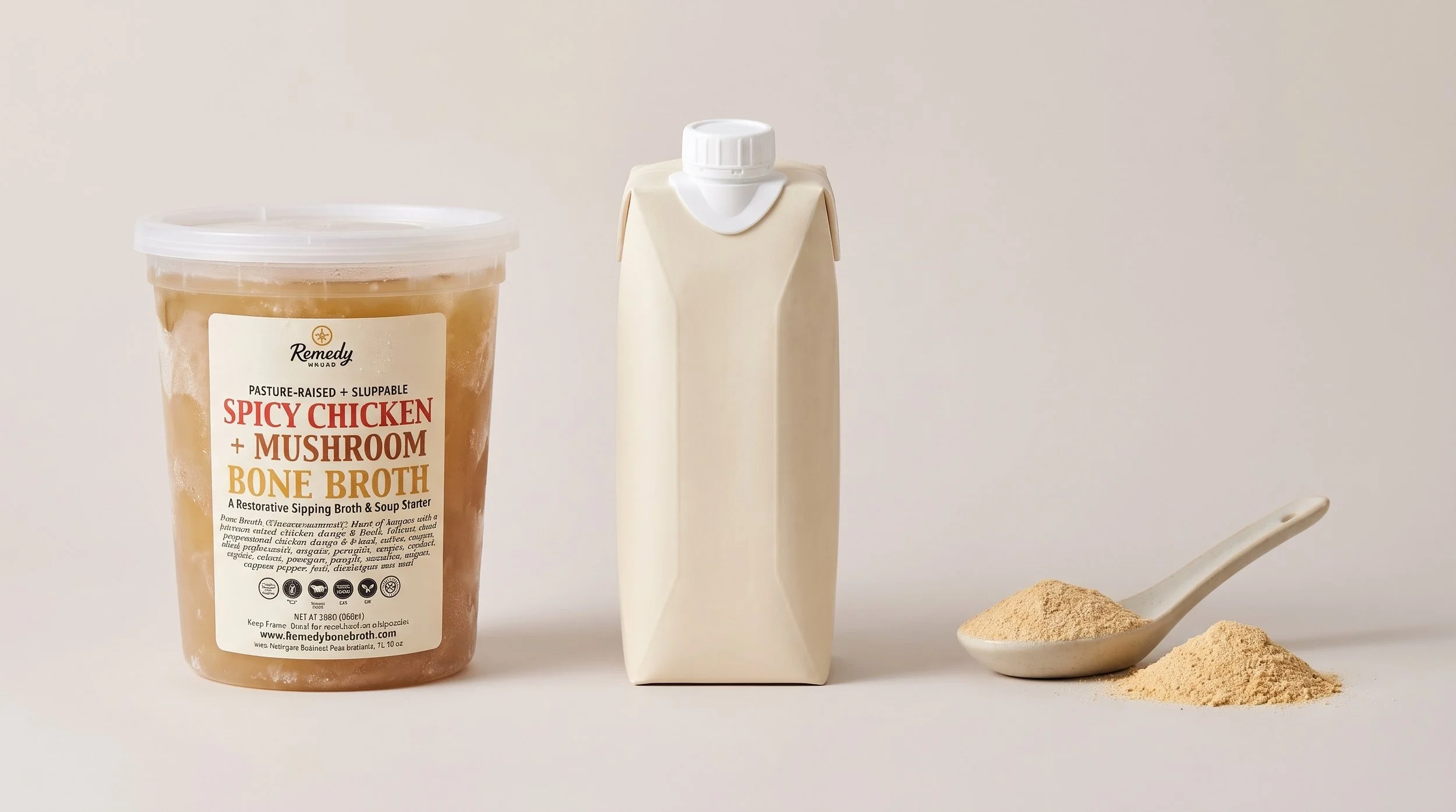
Today, bone broth is sold in three main formats. Understanding how each is processed makes it easy to choose the healthiest option for your lifestyle.
| Comparison Dimension | Fresh & Frozen Small-Batch | Shelf-Stable Cartons & Jars | Dehydrated Bone Broth Powders |
|---|---|---|---|
| Processing Method | Slow-simmered, flash-chilled & frozen/refrigerated | UHT retort sterilization (240°F–275°F under pressure) | High-heat industrial spray-drying |
| Nutrient & Gelatin Integrity | Highest (intact gelatin matrix, 15–20g protein) | Moderate (heat breaks down gelatin chains; 8–12g protein) | Variable (hydrolyzed/dried; lacks natural hydration) |
| Flavor & Aroma | Rich, fresh homemade depth | Muted or tinny; often relies on added salt/flavorings | Chalky or powdery when rehydrated |
| Convenience & Storage | Requires freezer/fridge space; thaws easily | Pantry-stable for 12+ months until opened | Lightweight, TSA-friendly for travel |
| Best For | Maximum therapeutic nutrition, gut/joint protocols & gourmet cooking | Everyday pantry backup & quick soup bases | Camping, flights & office desk drawers |
Fresh & Frozen Small-Batch Bone Broth (Gold Standard for Bioavailability)
Freezing is nature’s cleanest preservative. Because frozen small-batch broth skips ultra-high-temperature sterilization entirely, 100% of its native amino acids and soothing gelatin matrix remain intact. Avoiding post-simmer heat preservation preserves up to 2x the protein of standard cartons. To understand this further, read our deep dive on frozen broth vs. shelf-stable and powdered options (plus how to freeze bone broth safely).
Shelf-Stable Aseptic Cartons & Glass Jars (Pantry Convenience Trade-Offs)
Shelf-stable boxes and jars are convenient for keeping in the pantry for last-minute recipes. However, allowing liquid broth to sit unrefrigerated for years requires flash pasteurization above 275°F. This heat breaks down gelatin chains and can flatten the flavor profile, which is why manufacturers often compensate with higher sodium and yeast extracts.
Dehydrated Bone Broth Powders & Concentrates (Travel & On-the-Go Use)
Single-serve stick packs and protein tubs are handy for air travel or office desk drawers. However, spray-drying liquid broth into dry powder breaks down natural gelatin into cold-soluble peptides. While fine for a quick protein boost on the go, powders lack natural electrolytes and hydration, and frequently include anti-caking fillers.

Justin Buttrey
A Registered Dietitian’s Perspective: What to Check Before You Buy
"When patients bring me a carton of store-bought bone broth they bought for gut or joint support, the first thing I turn to is the back label—specifically the ratio between protein and sodium. If a cup has 8 grams of protein and 550 milligrams of sodium, you are essentially drinking salted stock, not a therapeutic whole food. A genuinely nourishing bone broth should deliver 15 to 20 grams of naturally occurring protein with under 250 to 300 milligrams of sodium per serving, free from gums or yeast extracts that can irritate the very digestive tract you are trying to heal."
Key Clinical Takeaways for Shoppers:
- Whole-Food Gelatin Over Isolated Peptides: Unlike spray-dried collagen powders, chilled 24-hour bone broth retains its intact gelatin matrix—binding water in the digestive tract to physically soothe the gut lining while supplying glycine, proline, and glutamine alongside natural electrolytes.
- Cumulative Daily Sodium Matters:Keeping sodium under 250–300 mg per cup allows you to enjoy 1 to 2 cups daily, even during pregnancy or cardiovascular wellness routines, without exceeding daily sodium targets.
Beef vs. Chicken vs. Bison & Plant-Based Broths: Matching the Base to Your Health Goals
Different animal bones and functional botanical blends provide unique collagen subtypes tailored to specific wellness goals.
| Broth Type | Primary Collagen / Nutrients | Typical Nutrition (8 oz Cup) | Best Health & Culinary Fit |
|---|---|---|---|
| 100% Grass-Fed Beef | Type I & III collagen, glycine, proline, marrow minerals | 15–20g Protein · 100–120 kcal | Gut-lining repair, skin elasticity, deep savory sipping & hearty stews |
| Pasture-Raised Chicken | Type II collagen, hyaluronic acid, chondroitin, L-glutamine | 15–20g Protein · 90–110 kcal | Joint & cartilage support, immune recovery, mild/gentle digestion |
| Pasture-Raised Bison | Type I & III collagen, heme iron, zinc, B12, lean amino acids | 18–20g Protein · Lean | Athletic muscle recovery, iron replenishment, clean rich flavor |
| Functional Herbal Blends | Turmeric, ginger, cayenne, citrus + bone amino acids | Varies by base | Anti-inflammatory support, cold/flu soothing, palate variety |
| Organic Mushroom Broth | Prebiotic beta-glucans, ergothioneine, potassium (zero collagen) | 3–5g Protein · 15–25 kcal | Plant-based/vegan diets, ultra-low-calorie fasting, umami cooking |
Grass-Fed Beef & Bison Bone Broth

Beef bone broth features a hearty, roasted depth. Cattle bones yield high concentrations of Type I and Type III collagen, the primary proteins supporting skin elasticity, bone density, and blood vessel resilience. Bison offers a slightly cleaner, sweeter taste without gaminess, delivering bioavailable iron, zinc, and selenium alongside robust collagen.
Pasture-Raised Chicken Bone Broth

Chicken bone broth is remarkably gentle on sensitive stomachs. Simmering chicken frames alongside collagen-rich chicken feet extracts abundant Type II collagen—the exact collagen found inside human joint cartilage alongside chondroitin and hyaluronic acid to nourish joints and support seasonal immunity.
Botanical Infusions & Plant-Based Mushroom Broths

Craft producers often simmer grass-fed beef or pasture-raised chicken with organic turmeric, ginger, or cayenne to amplify anti-inflammatory capacity. For vegan, fasting, or plant-based diets, 100% organic mushroom broths (like our vegan mushroom broth) provide immune-modulating beta-glucans and deep forest-floor umami.
Targeted Health Protocols: How to Choose for Your Life Stage & Wellness Goals
Modern nutrition science explains exactly why bone broth fits so naturally into different stages of life.
Expecting & Postpartum Mothers (Prenatal Nutrients, Tissue Recovery & Lactation)
Pregnancy and the "fourth trimester" require abundant amino acids and minerals. The glycine found in bone broth supports fetal collagen synthesis and maternal sleep quality. Postpartum, a warm mug delivers effortless 20g protein hydration and bioavailable electrolytes to support tissue repair and milk supply, particularly when stored safely in BPA-free packaging. Learn more about using bone broth for postpartum recovery and breastfeeding.
Gut Health & Sensitive Digestion (Gelatin, Glutamine & Low-FODMAP Tips)
Natural dietary gelatin binds water in the digestive tract and forms a gentle layer over irritated intestinal tissue, while L-glutamine fuels gut-lining repair. For those with Irritable Bowel Syndrome (IBS) or sensitive digestion, it is vital to avoid gums, yeast extracts, and unfiltered tap water. Explore deeper protocols by using bone broth for gut health and intermittent fasting.
Cold, Flu & Sick-Day Recovery (Gentle Hydration & Low-Sodium Rules)
Major hospitals caution against high-sodium canned broths when you are sick. Instead, a low-sodium (210–220 mg), mineral-rich warm broth soothes sore throats, clears congestion via steam, and nourishes upset stomachs when solid food feels too heavy. Read our complete guide to bone broth for sickness, colds, and sensitive stomachs.
Joint Health, Active Recovery & Daily Dosage
Natural collagen production declines each year slightly starting in early adulthood. A daily mug supplies concentrated proline and hydroxyproline for flexible tendons and cartilage. For daily maintenance, aim for 1 cup (15–20g protein) daily. For active recovery, bump that to 2 cups. Find out exactly how much bone broth you should drink a day to match your lifestyle.
Targeted Health Protocols: Choose Your Life Stage
Select a focus area below to view evidence-based nutritional mechanisms, daily serving targets, and quality standards.
Expecting & Postpartum Mothers
Focus: Prenatal Nutrients, Tissue Recovery & Lactation
Pregnancy and the "fourth trimester" require abundant amino acids and minerals. Glycine supports fetal collagen synthesis and maternal sleep quality, while bioavailable electrolytes aid tissue repair and milk supply.
Glycine, bioavailable electrolytes, and complete amino acids
Must be stored in strictly BPA-free packaging to prevent endocrine disruption
*Nutritional guidance is for educational purposes and reflects clinical biochemistry principles. Always consult your healthcare provider or registered dietitian regarding individual medical or prenatal needs.
How Does Bone Broth Taste? (Plus 5 Dietitian & Chef Ways to Use It)
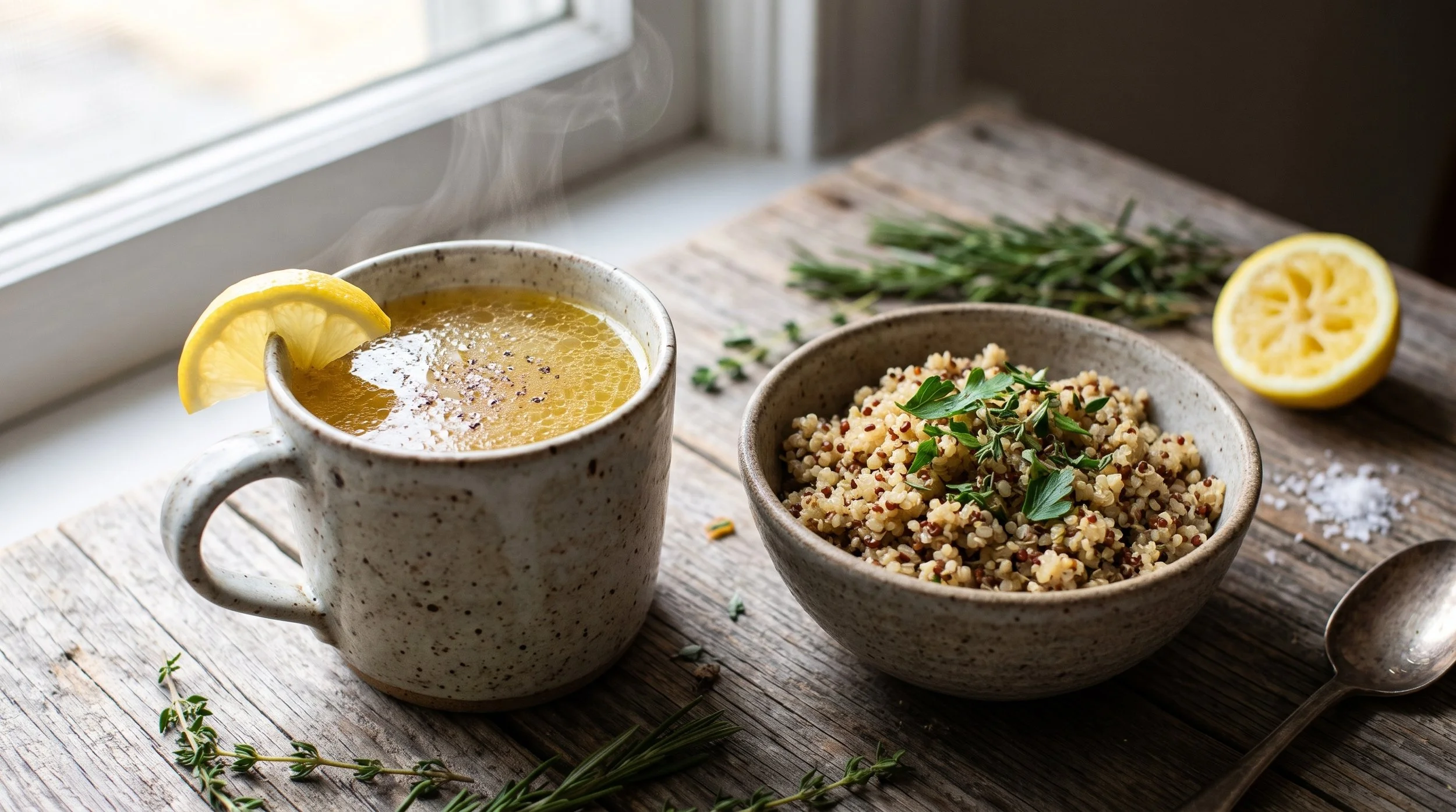
High-quality bone broth tastes rich, savory, and deeply comforting, similar to slow-roasted homemade soup stock with a velvety, full-bodied mouthfeel from natural gelatin. Unlike overly salty or metallic shelf-stable cartons, 24-hour small-batch bone broth balances clean, roasted bone richness with subtle organic herbs, vegetables, and sea salt.
Flavor & Texture Breakdown by Broth Type
Chicken: Golden, clean, roast-chicken richness with a silky body.
Beef & Bison: Deep amber, rich umami depth without gamey bitterness.
Herbal/Spiced Blends: Bright citrus-ginger, warming cayenne heat, or earthy umami mushroom depth.
5 Easy Ways to Drink or Cook With Bone Broth
Warm Morning Mug Ritual: Gently warm 8 to 12 ounces on the stove with a squeeze of lemon and cracked pepper for a jitter-free morning protein boost.
Simmering Grains: Swap water for bone broth at a 1:1 ratio when cooking rice, quinoa, or farro to automatically infuse collagen and savory flavor into every grain.
10-Minute Recovery Mugs: Heat broth with grated ginger, turmeric, and a pinch of cayenne after a hard workout or long walk.
Batch-Cooked Freezer Soups: Use broth as a base for hearty weeknight soups that can be prepped and frozen for later.
Deglazing Pan Sauces: After searing steaks or sautéed mushrooms, deglaze the hot skillet with a half-cup of broth to lift the browned bits into a glossy, restaurant-caliber glaze.
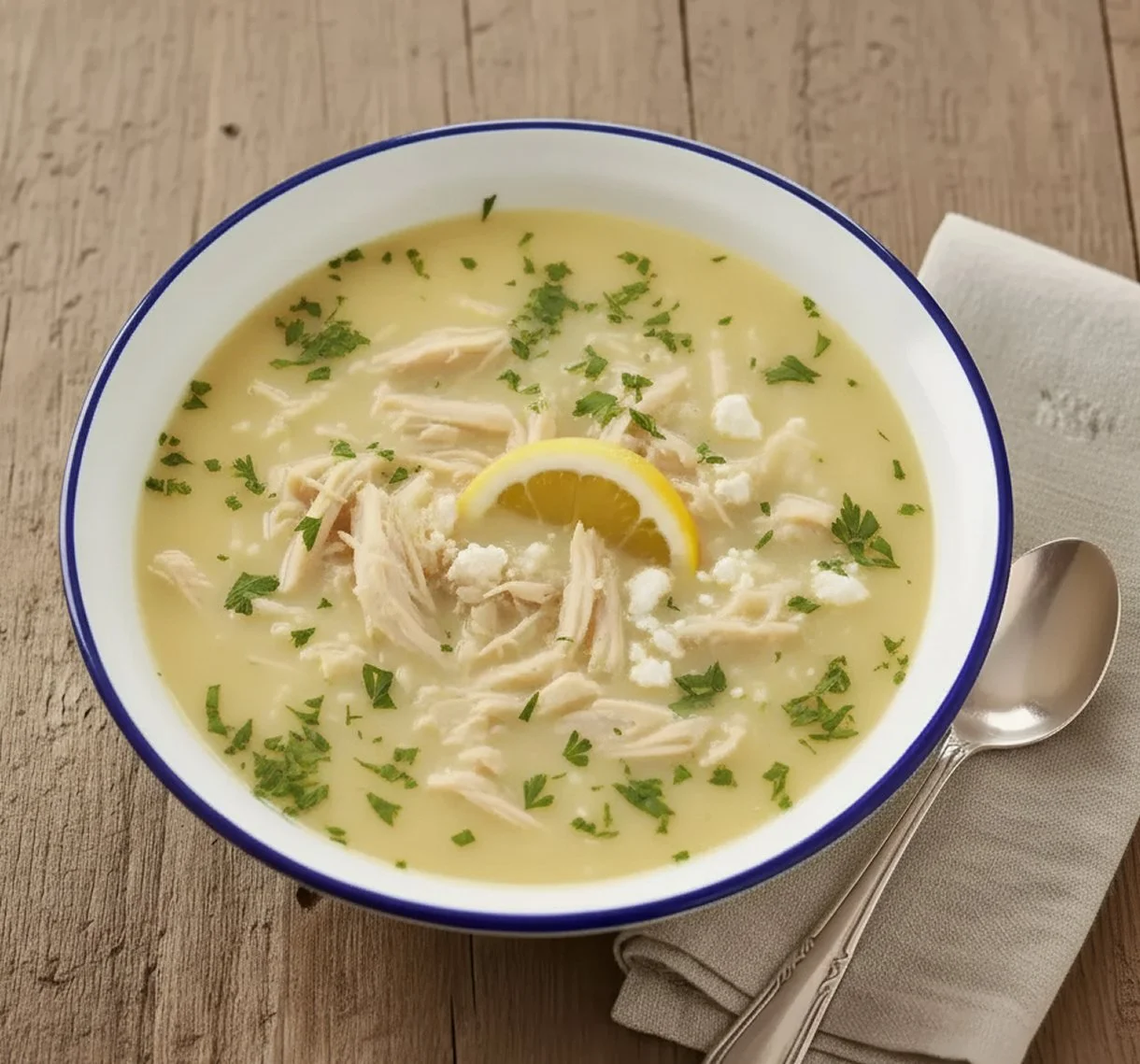
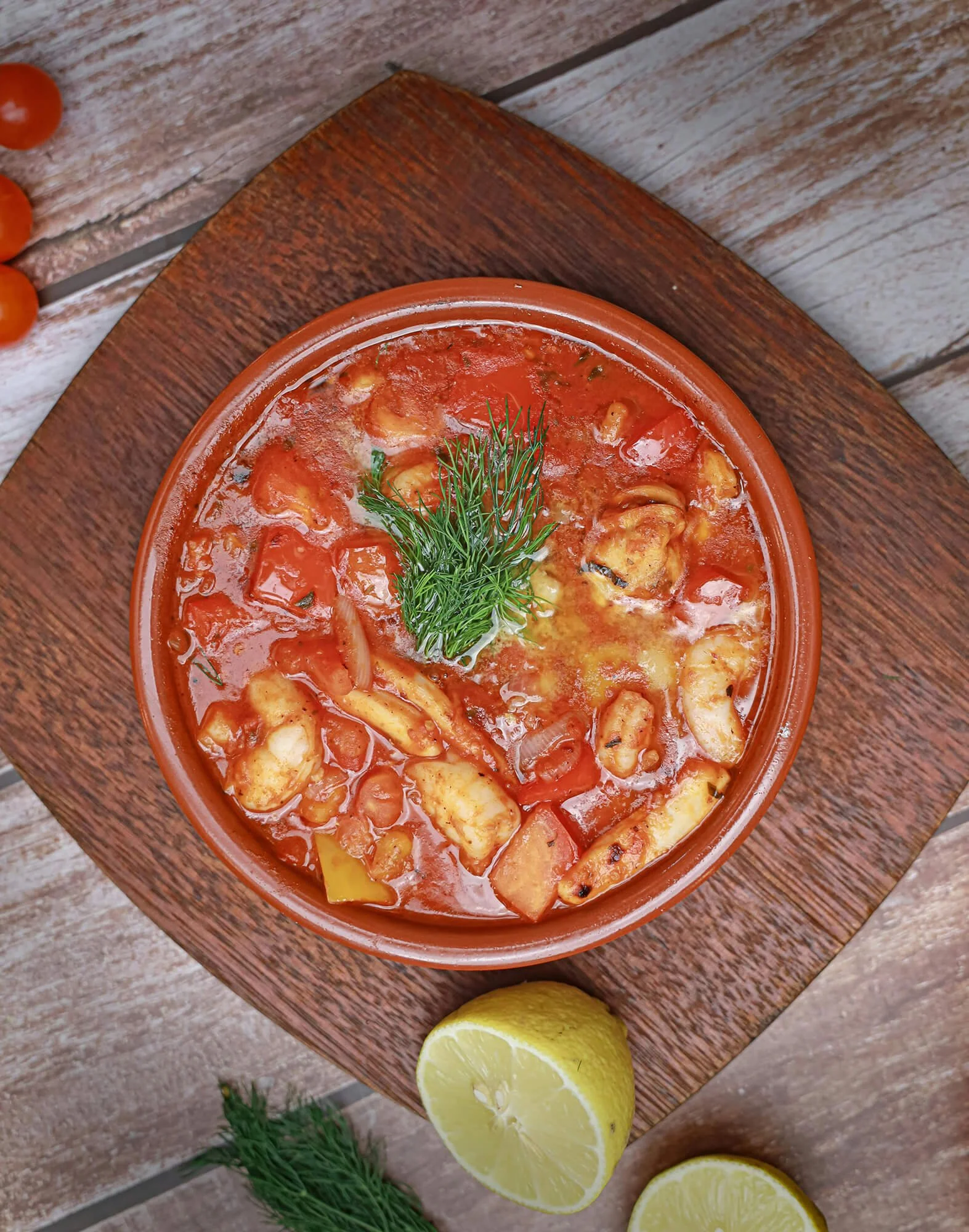
Recipes
Where to Buy High-Quality Bone Broth (Grocery Stores, Local Markets & Online)
Knowing what makes a bone broth healthy is half the battle; knowing where to look makes shopping effortless.
How to Shop the Grocery Store (Check the Freezer & Refrigerated Aisles First)
Skip the center-store canned soup aisle—that section is designed for room-temperature cartons engineered to sit on shelves for years. Instead, check the frozen meat/specialty freezer doors or refrigerated deli/wellness coolers at natural grocers (like Whole Foods, Sprouts, or local co-ops). Real, preservative-free bone broth relies on cold temperatures, rather than chemical additives, to stay fresh.
Supporting Local Small-Batch Craft Makers (Spotlight: Nashville & Tennessee)
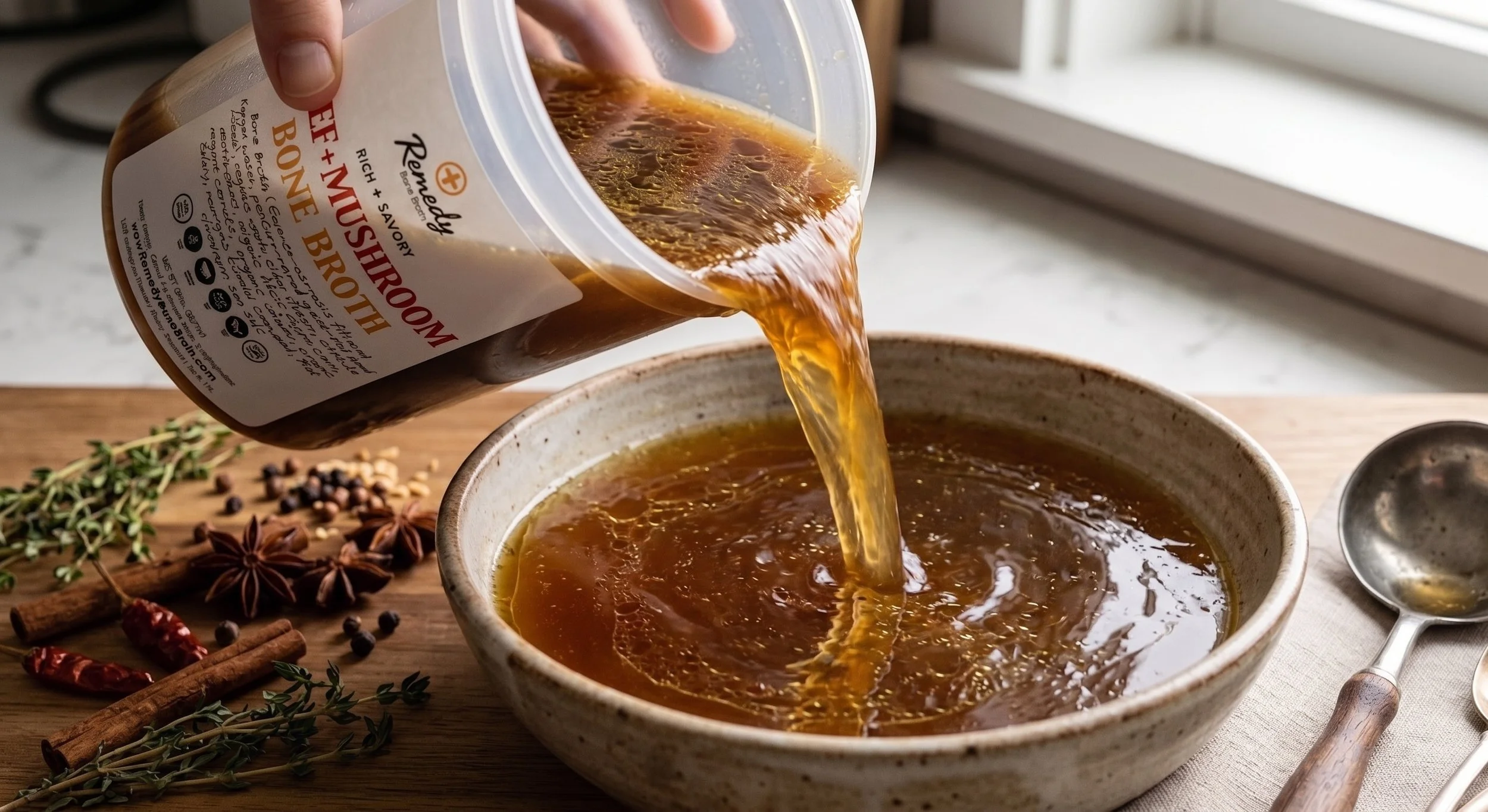
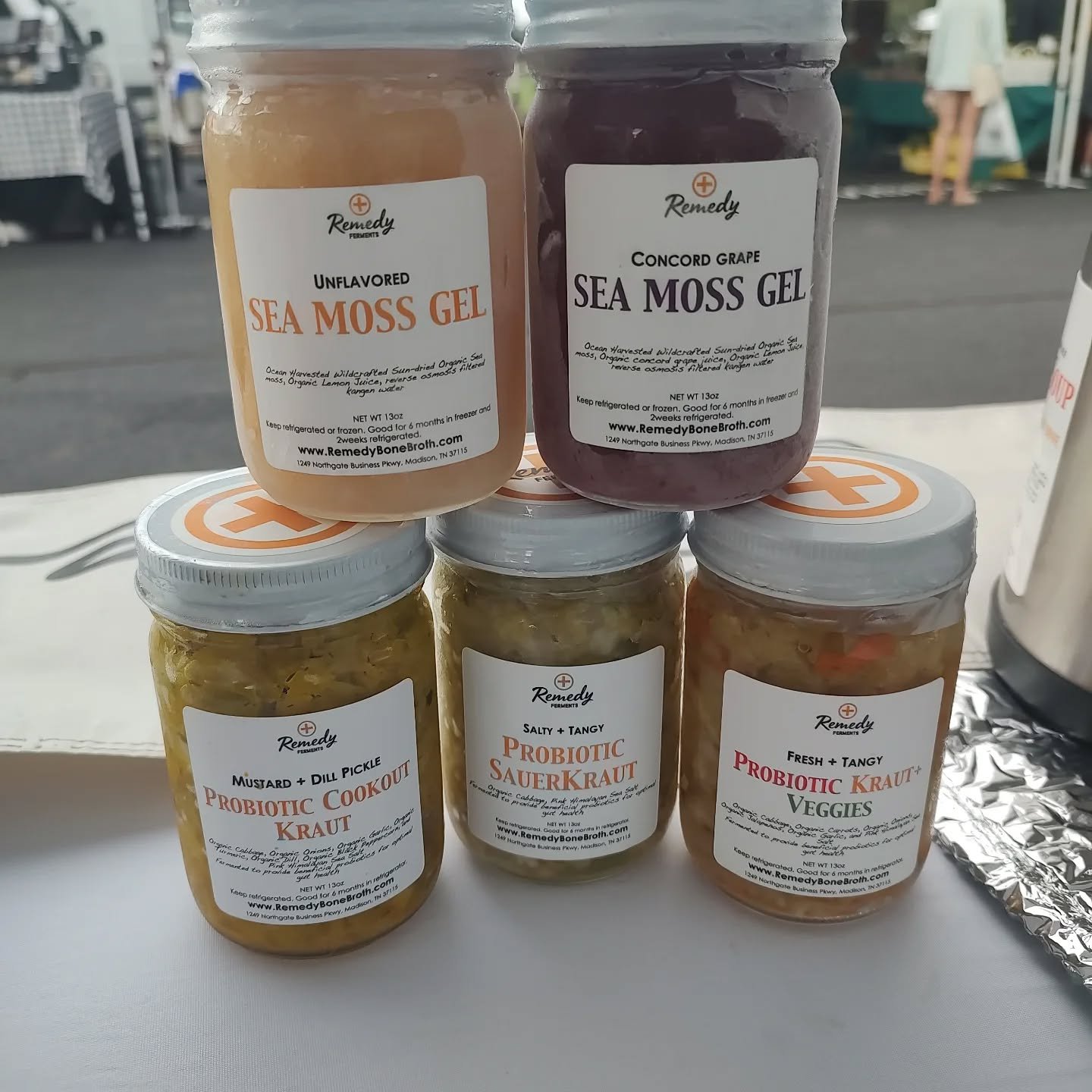
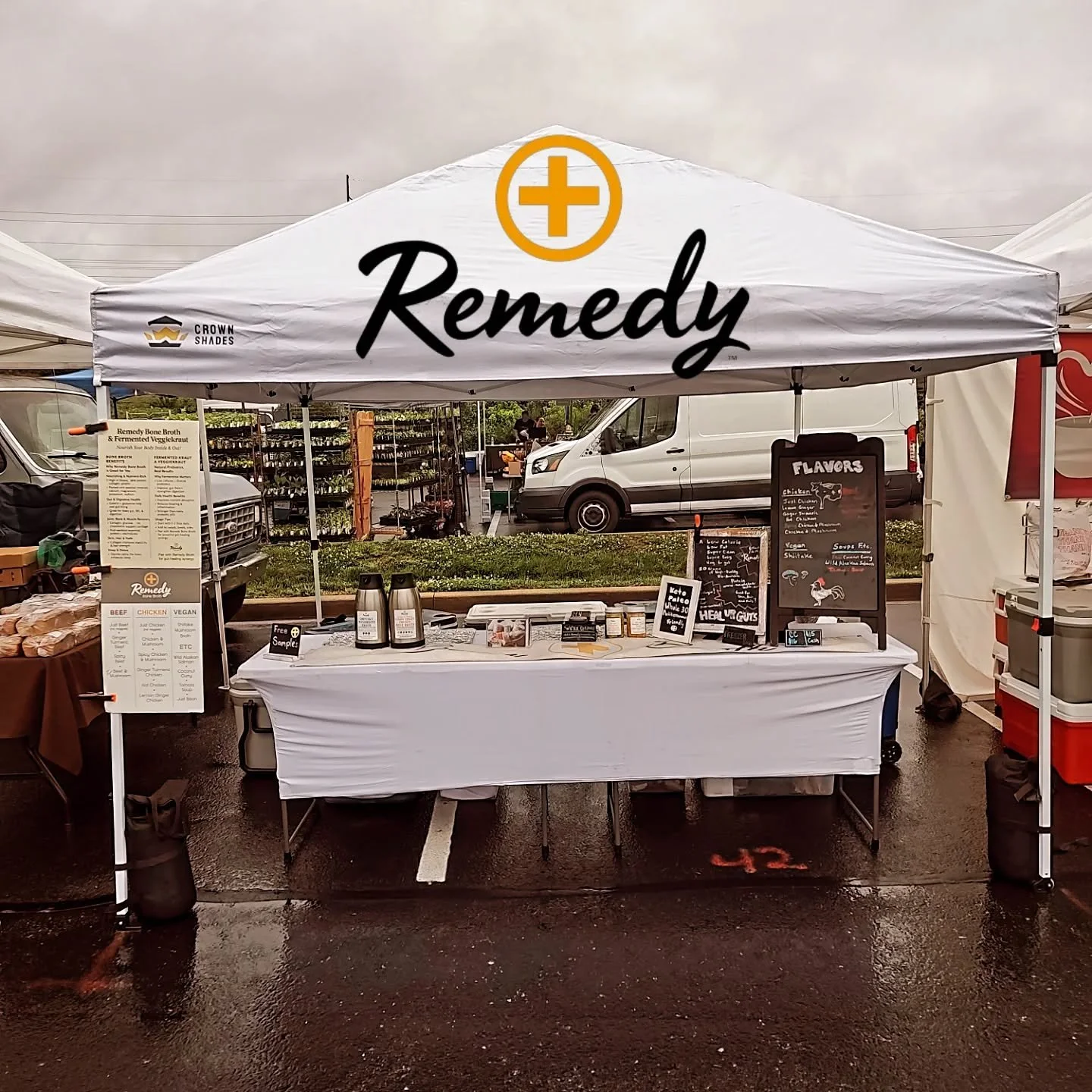
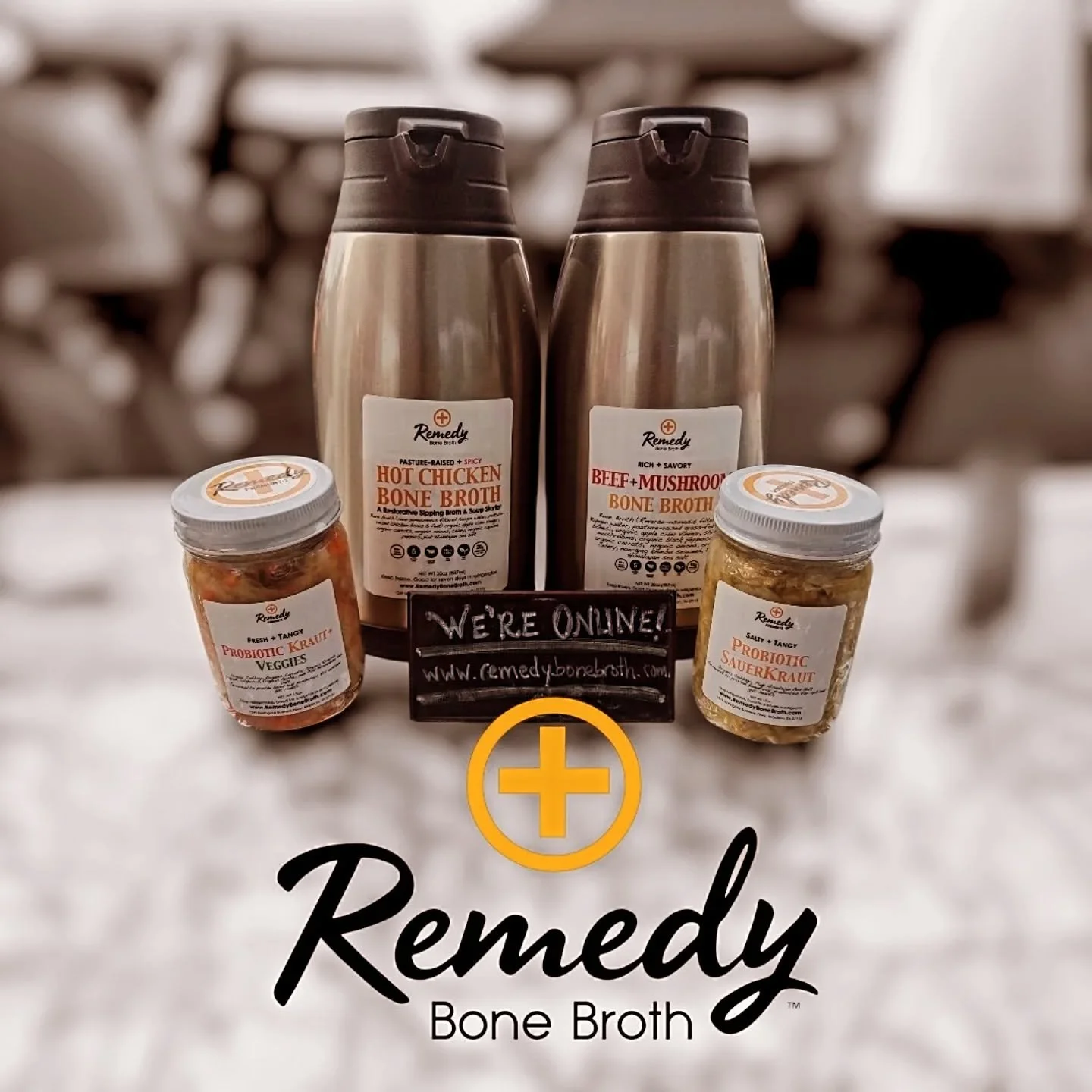
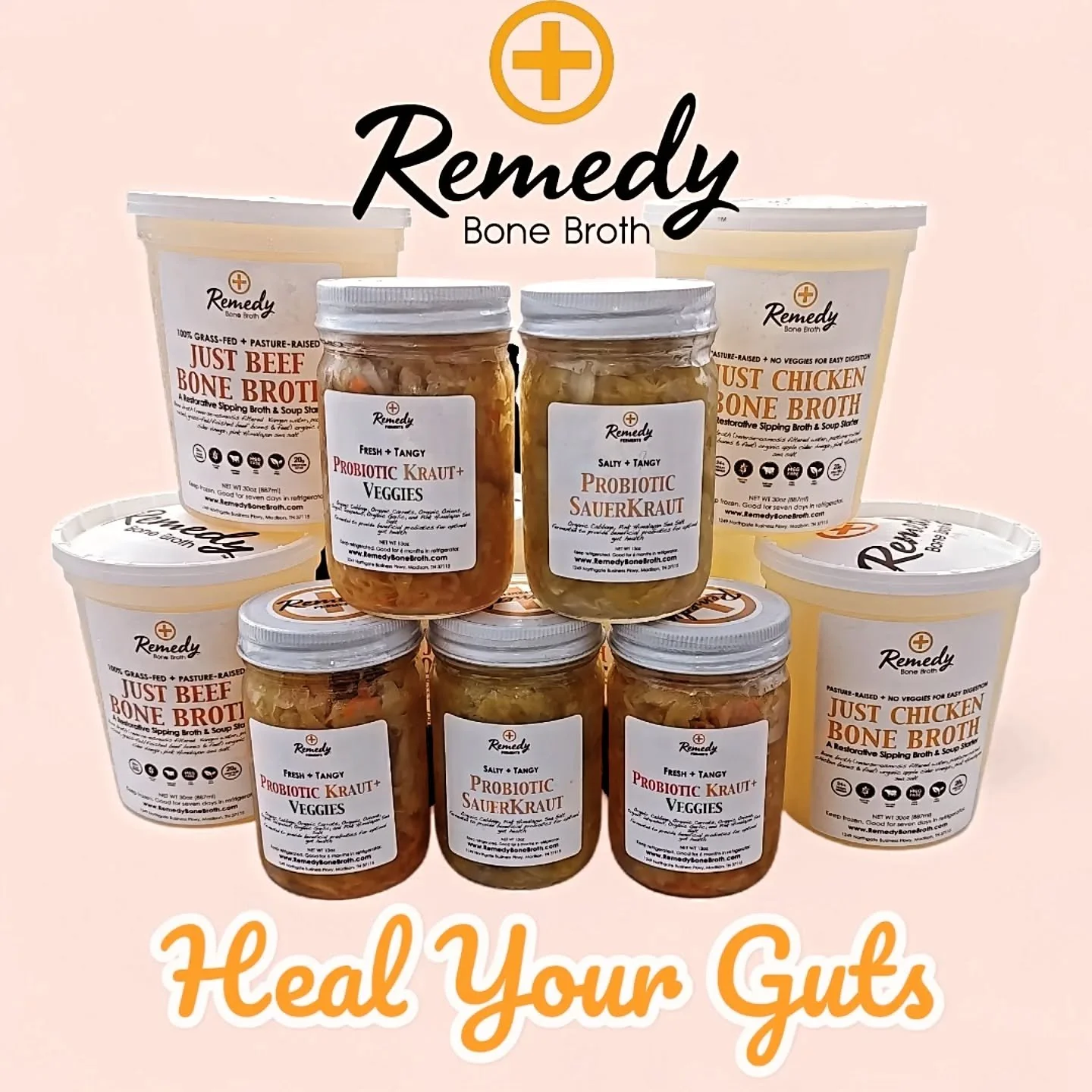
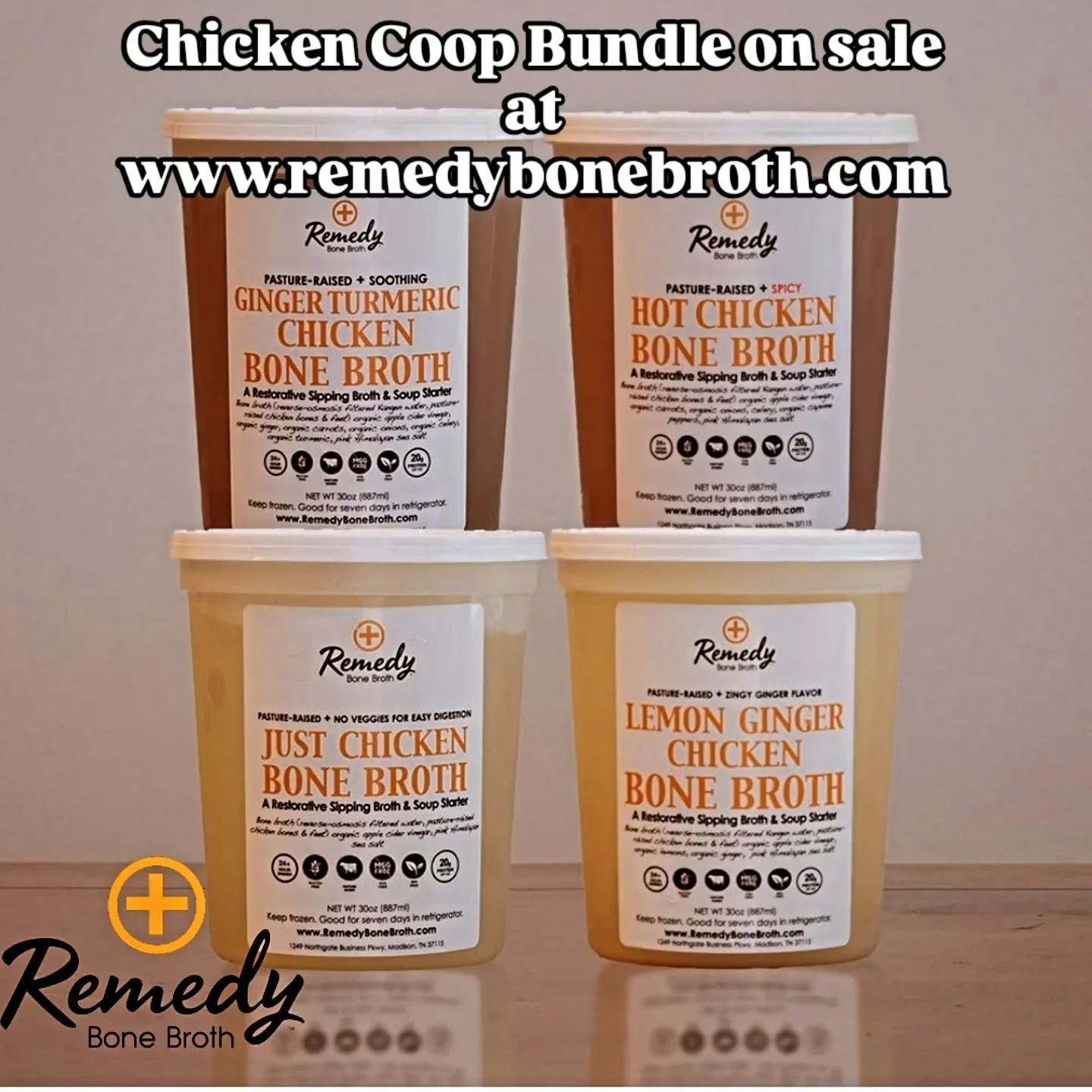
Regional small-batch producers almost always outperform national factory brands on simmer time, farm traceability, and low-waste sustainability. A standout example is Remedy Bone Broth. Founded in Nashville in 2016, Remedy operates a near zero-waste kitchen, simmering 24-hour small batches in reverse-osmosis water, and donating monthly to local hunger-relief efforts. If you are exploring where to buy bone broth locally, checking for community retail partners or scheduling a free local pickup ensures you are getting peak freshness.
Ordering Frozen Small-Batch Bone Broth Direct-to-Door
For busy households who want their freezer stocked automatically, direct-to-consumer cold-chain shipping is a game-changer. Producers use compostable insulated liners and reusable gel packs to keep craft broths frozen solid nationwide. If you want a 20g-protein, low-sodium staple delivered to your door, it is easy to buy bone broth online to customize multi-packs or subscribe and save across beef, chicken, bison, and mushroom bases.
Choosing Real, Slow-Simmered Nourishment Over Grocery Shortcut
Choosing the healthiest bone broth does not require memorizing complicated nutrition jargon or falling for flashy front-of-package promises. Once everyday shoppers know what to look for on the back of the label, spotting genuine quality becomes second nature.
By choosing broths made from 100% grass-fed, pasture-raised, and USDA Organic bones simmered for 24 hours in purified water, families protect themselves from unwanted agricultural chemicals and heavy metals. By shopping the freezer or refrigerated aisles and checking for cold-filled, BPA-free packaging, shoppers preserve the soothing, natural gelatin that passes the fridge jiggle test and supports digestion and joints. Finally, auditing the Nutrition Facts panel to confirm 10 to 20 grams of natural protein alongside low sodium (under 400 mg, and ideally 210 to 220 mg) ensures every cup delivers real, whole-food nourishment.
Whether enjoyed in a quiet morning mug, simmered into a cozy family soup, or used as a restorative daily ritual during pregnancy, postpartum recovery, or active training, slow-simmered bone broth remains one of the simplest, most nourishing foods any kitchen can keep on hand.
Find Your Ideal Bone Broth Protocol
Answer 4 quick clinical questions to match your health goals, label standards, and daily serving dosage.
Frequently Asked Questions About Buying Healthy Bone Broth
-
Yes, authentic 18 to 24+ hour slow-simmered animal bone broth turns into a thick, jiggly gel when chilled because collagen extracted from bones and connective tissue converts into gelatin. Shelf-stable cartons rarely gel because Ultra-High Temperature (UHT) sterilization breaks down those delicate gelatin proteins into watery liquid.
-
Yes, fully simmered, low-sodium organic bone broth is safe and nourishing during pregnancy and breastfeeding. It provides easily absorbed glycine, proline, electrolytes, and clean protein to support tissue repair and hydration, especially when packaged in glass jars or Zero-Heat BPA-free containers.
-
A healthy bone broth should deliver at least 12 to 20 grams of complete protein alongside less than 250 to 300 mg of sodium per 8 oz cup. Small-batch craft broths often provide up to 20 grams of protein and 210 to 220 mg of sodium, whereas conventional cartons average 8 to 10 grams of protein and 330 to 960 mg of sodium.
-
Regular broth is simmered briefly (1 to 2 hours) using mostly meat and vegetables, yielding light flavor and minimal protein. Stock simmers bones for 3 to 6 hours for culinary bases. True bone broth slow-simmers marrow- and collagen-rich bones for 18 to 24+ hours with apple cider vinegar to extract high protein and intact gelatin.
-
Heavy metals can accumulate in the bones of conventionally raised feedlot animals exposed to contaminated feed and municipal water. You can minimize exposure by choosing small-batch bone broth made from 100% grass-fed and pasture-raised animals raised to organic standards and simmered in reverse-osmosis purified water.


Read more…